Tertiary Education Project
Access, participation and transition to the labour market for Roma students in higher education.
-
89
Roma university students supported in 2023–2026, 61 women and 28 men
-
39
graduates
-
0
dropouts: every scholarship ended in graduation or the next year
-
88%
of yearly beneficiaries improved their academic performance
The problem
Reaching university is not the end of the problem. Roma graduates encounter a labour market that does not absorb them, and the transition from study to employment remains largely unsupported.
Objectives
- Increase access and participation of Roma students in tertiary education
- Increase academic performance and graduation rates
- Support the transition from higher education into the labour market
What the project did
The programme supports Roma students at Albanian universities, with the Roma Education Fund. It ran from 2018 to 2021, and again from 2023 to 2026 as “Increasing Access and Participation of Roma Students in Tertiary Education and Transition to Labour Market through Employability”.
- Scholarships. Every student selected receives a scholarship for the academic year: 147 yearly scholarships from 2023 to 2026.
- Mentoring. Academic and professional-development mentors meet students two to three times a month, and help each one plan the step from degree to job.
- Tutoring. Lecturers tutor students in the subjects they request, from law to economics: 483 tutoring hours from 2023 to 2026, and 279 hours in 26 subjects in 2019–20 alone.
- Skills for work. English courses, digital-tools training and soft-skills workshops, then internships with partner institutions.
- The Rromani Akademia. Nine modules on Roma identity, history and the Romani language, with 97 participations over three years.
- Alumni and peers. Alumni meetings and experience-sharing gatherings connect current students with graduates who have been through the same path: 22 gatherings from 2023 to 2026.
2018–2021: the first three cycles
The first phase supported a smaller group each year. In 2019–20, 10 students received 279 hours of tutoring in 26 subjects from 11 tutors, and all 10 moved on to the next year. In 2020–21, 6 of 10 students improved their grades, 8 enrolled in the next year and 2 graduated. When the pandemic closed universities, the project set up a platform of online health mediators.
Results
For the 2023–2026 phase:
- 89 students, 61 women and 28 men, were supported over three years.
- 39 graduates: 8, 15 and 16 in each successive year.
- No dropouts. Every yearly scholarship ended in graduation or progression to the next year.
- 88% of yearly beneficiaries improved their academic performance.
- 878 hours of mentoring and tutoring.
- 76 places in English courses and 55 in digital-tools training.
- 8 internships with 8 partner institutions.
Impact
Women make up more than two-thirds of the students supported, in a community where girls are often taken out of education early. Alumni gatherings keep graduates connected to the students coming after them.
The reports name the gap that remains: the project recorded no graduates going straight into a job. Internships open the door, but employers and public institutions still need to take Roma graduates on.
In pictures
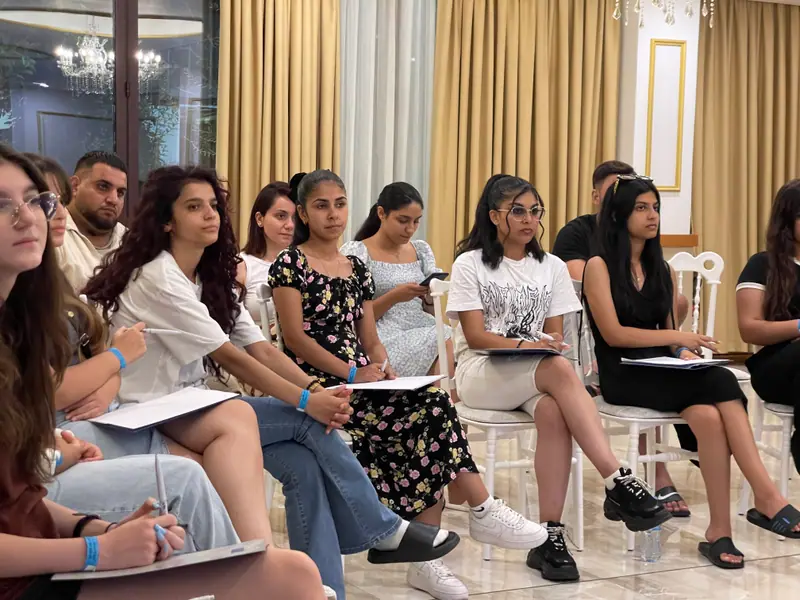
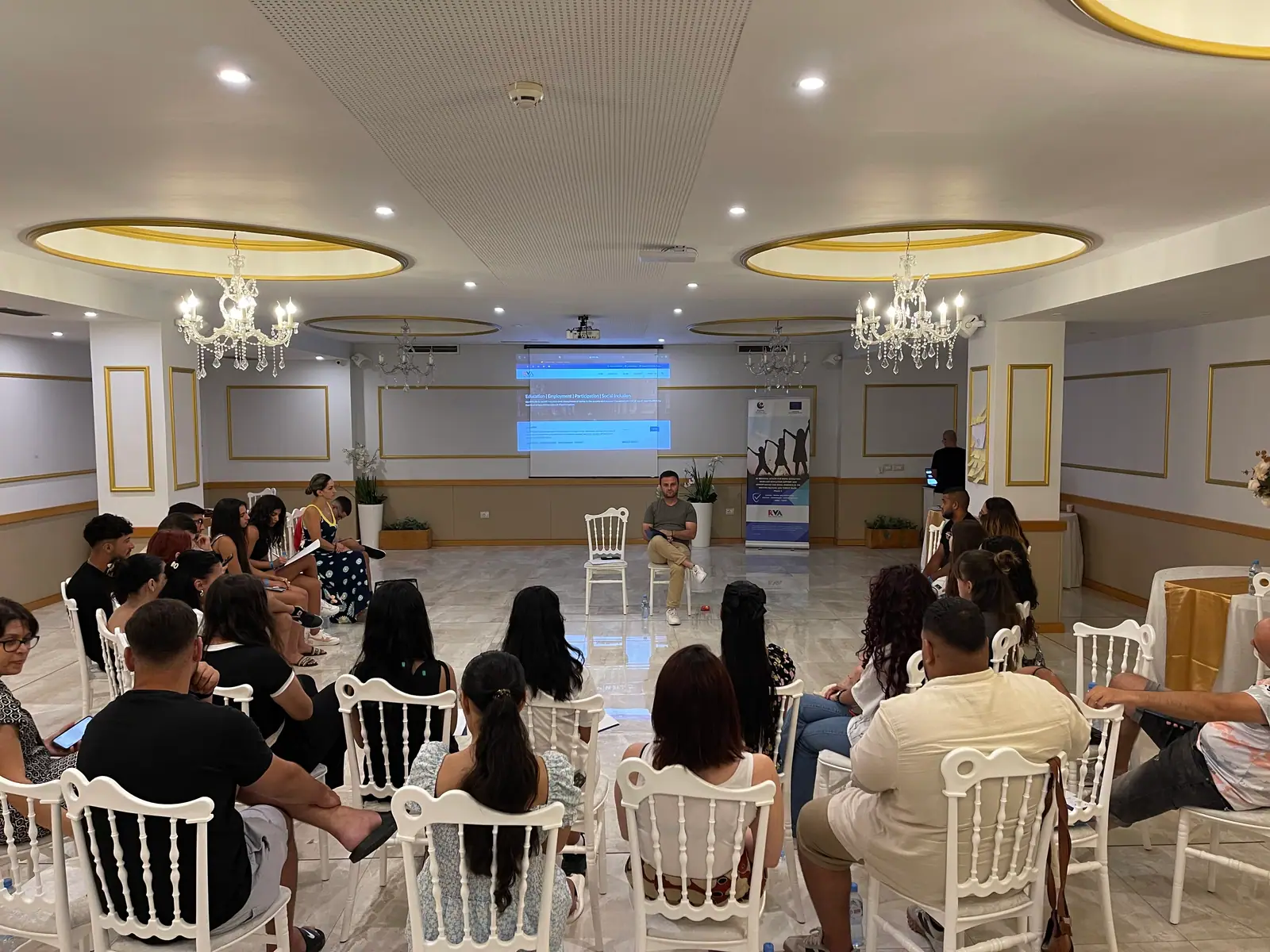
Summer school, July 2024 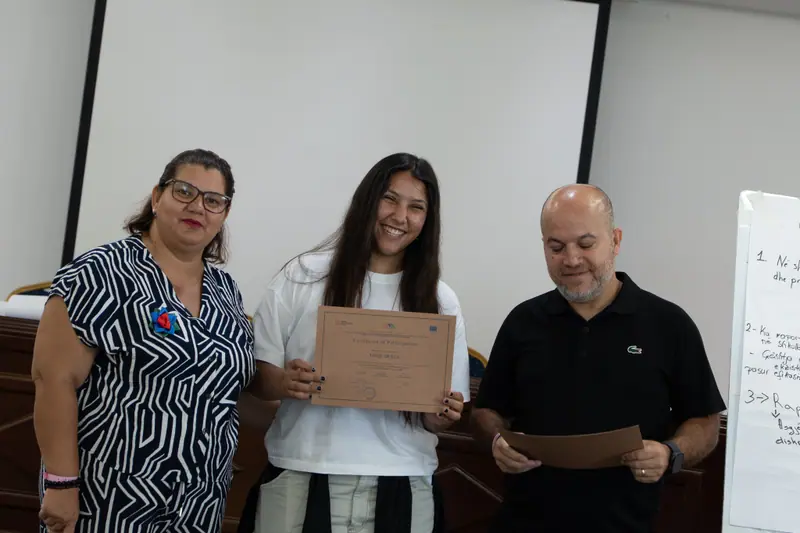
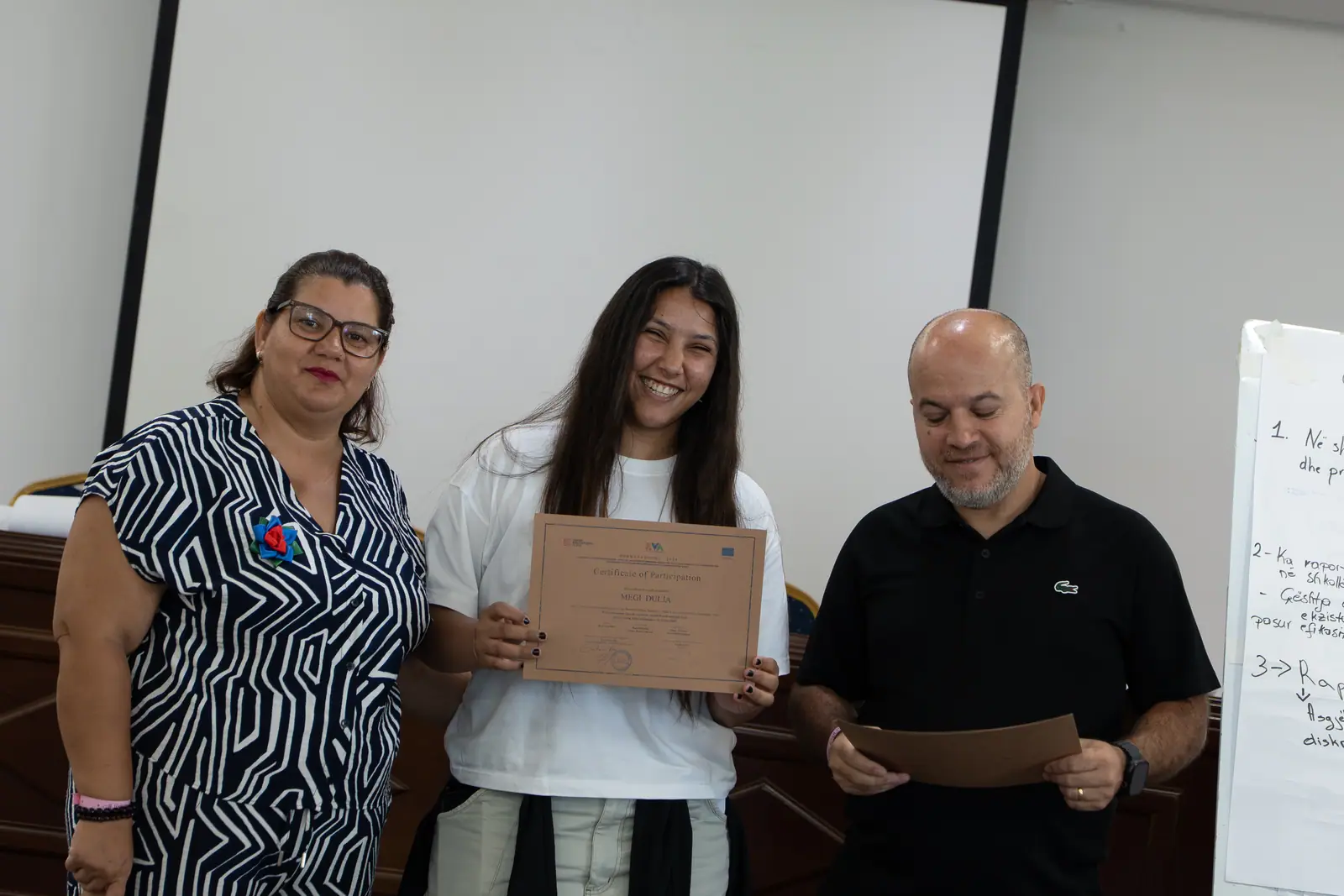
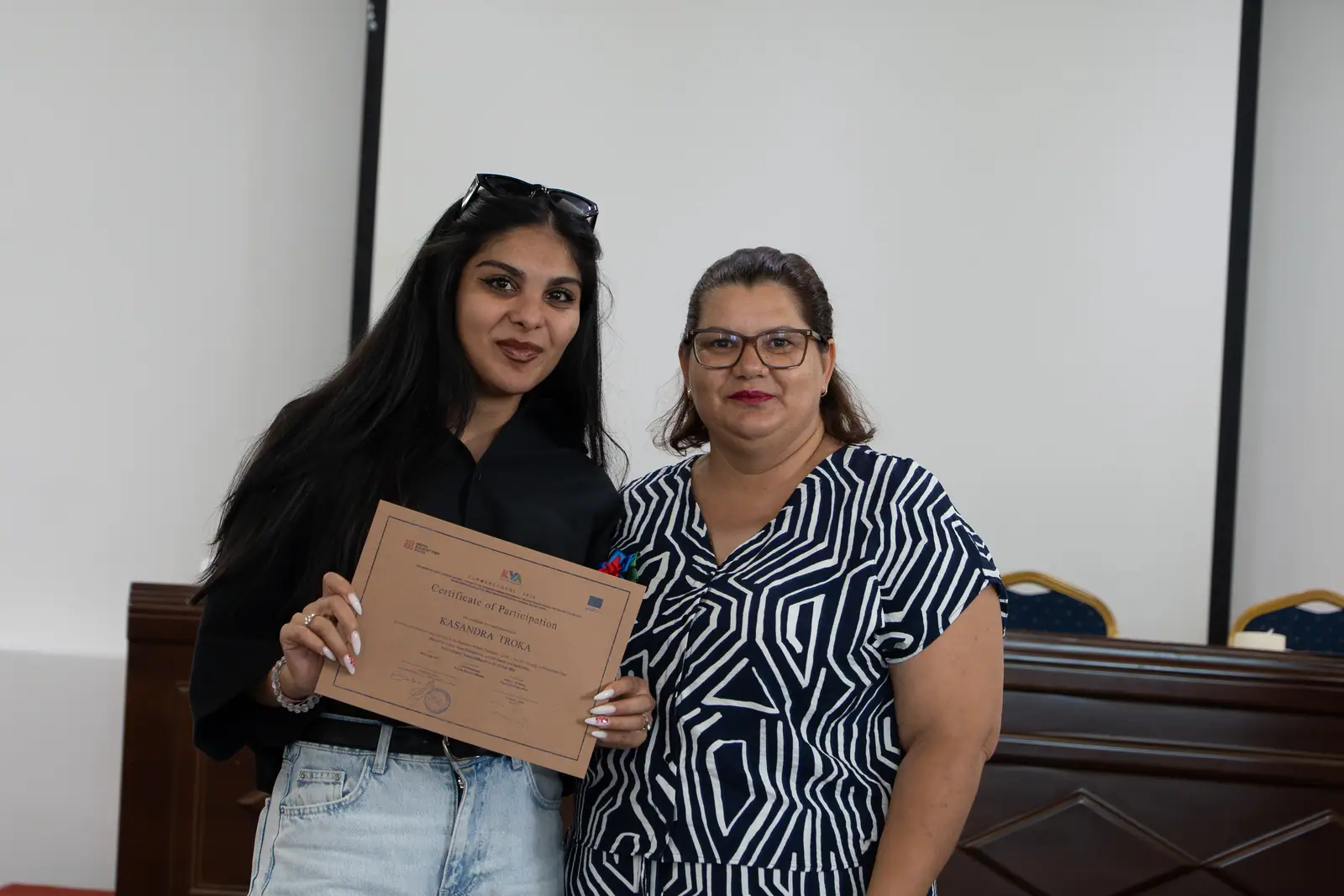
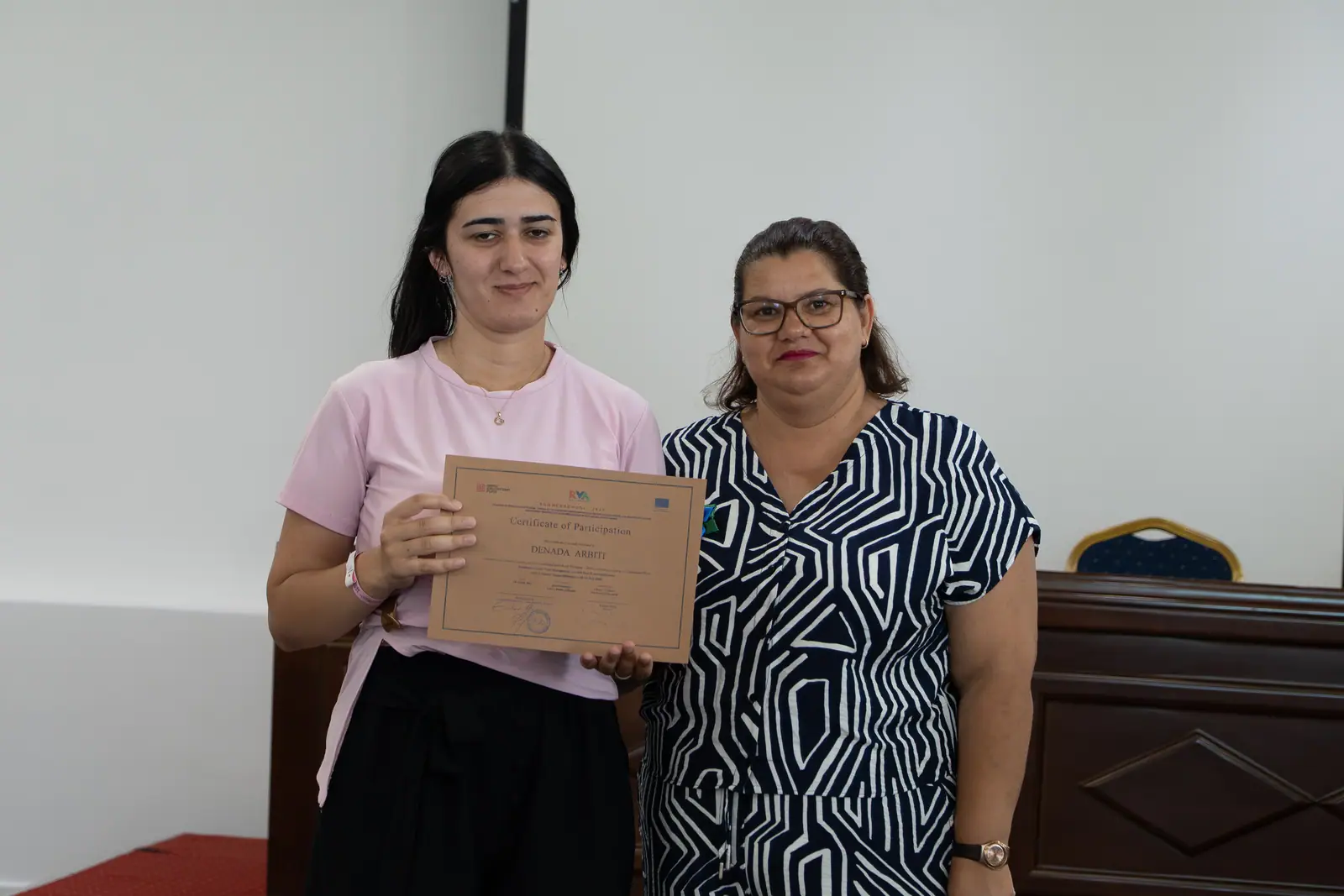
Certificates at the summer school, July 2026 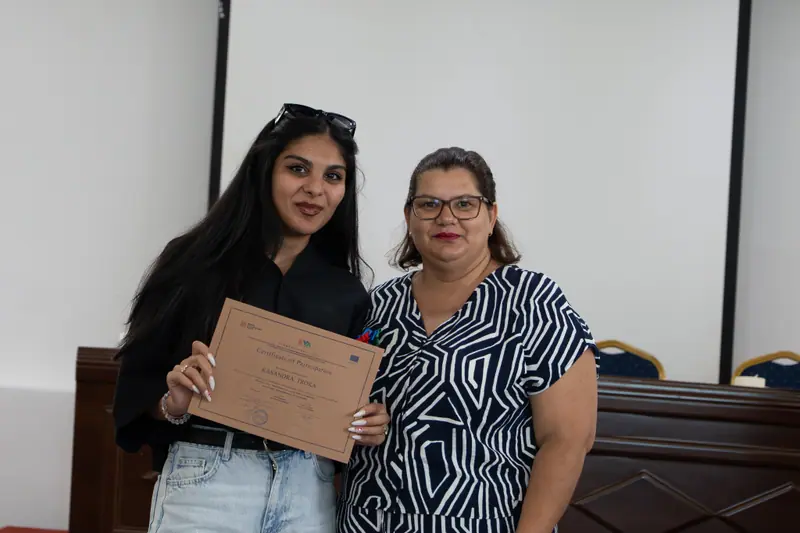
A certificate for the year’s work, July 2026 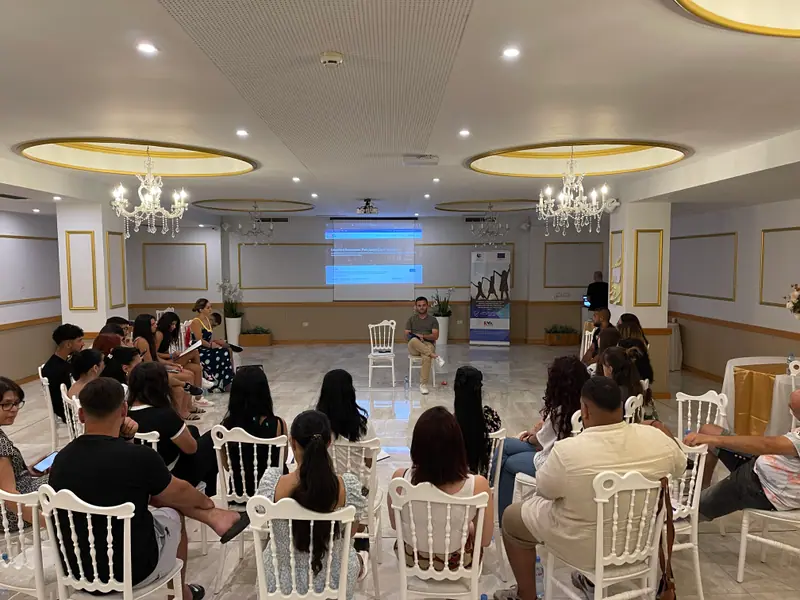
The summer school hall, July 2024 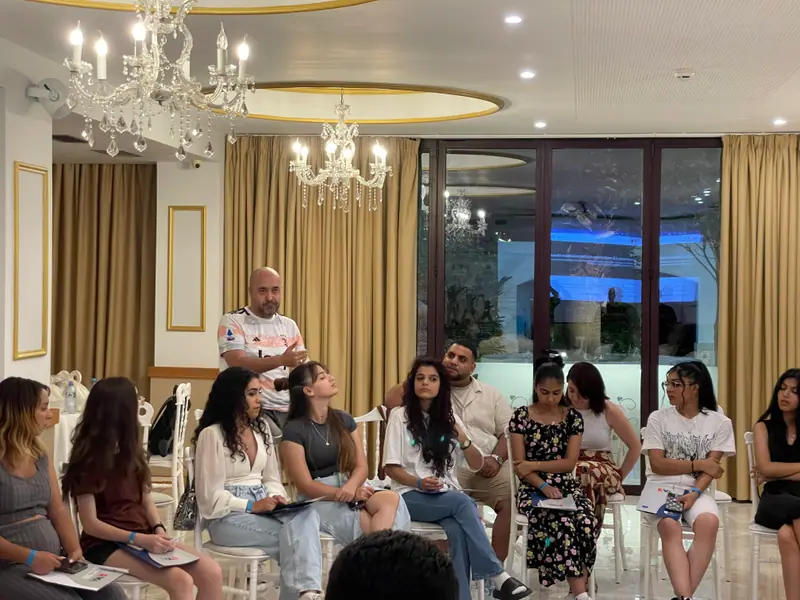
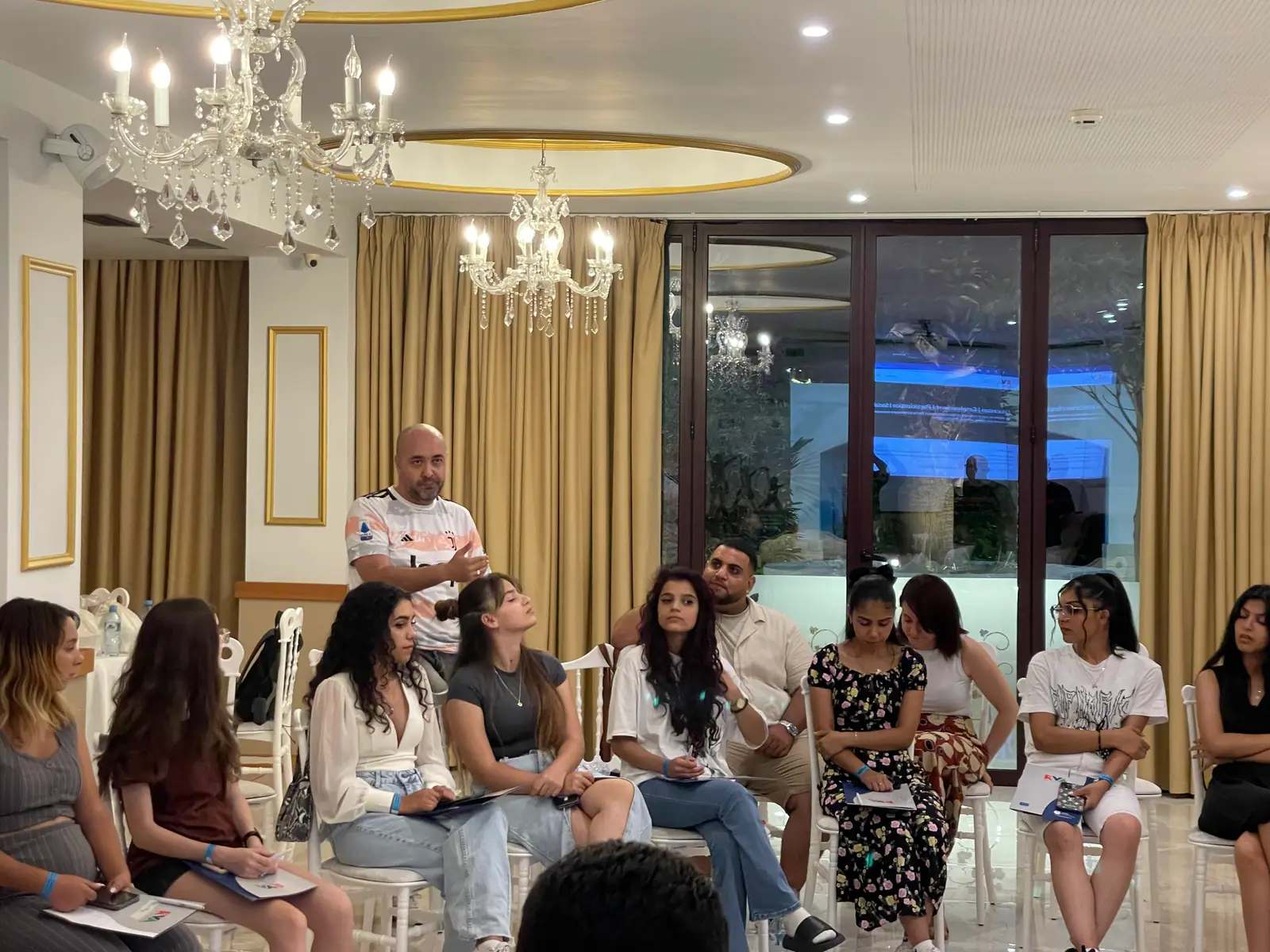
A group session, July 2024 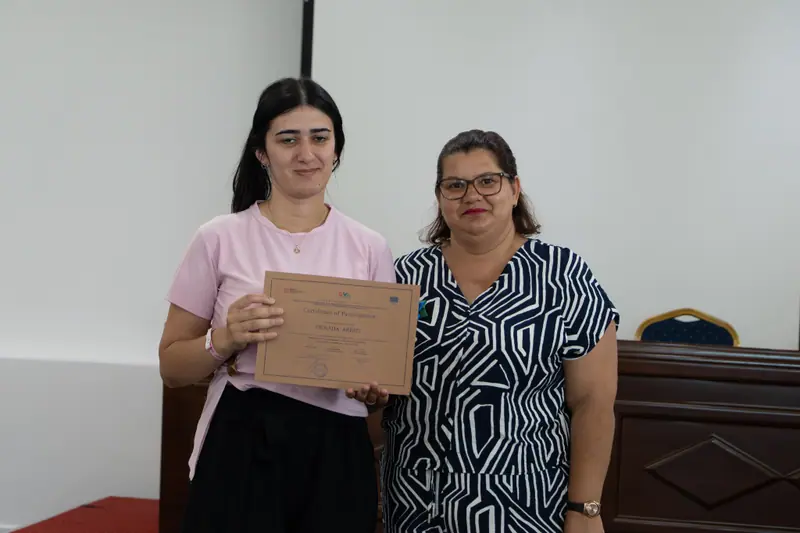
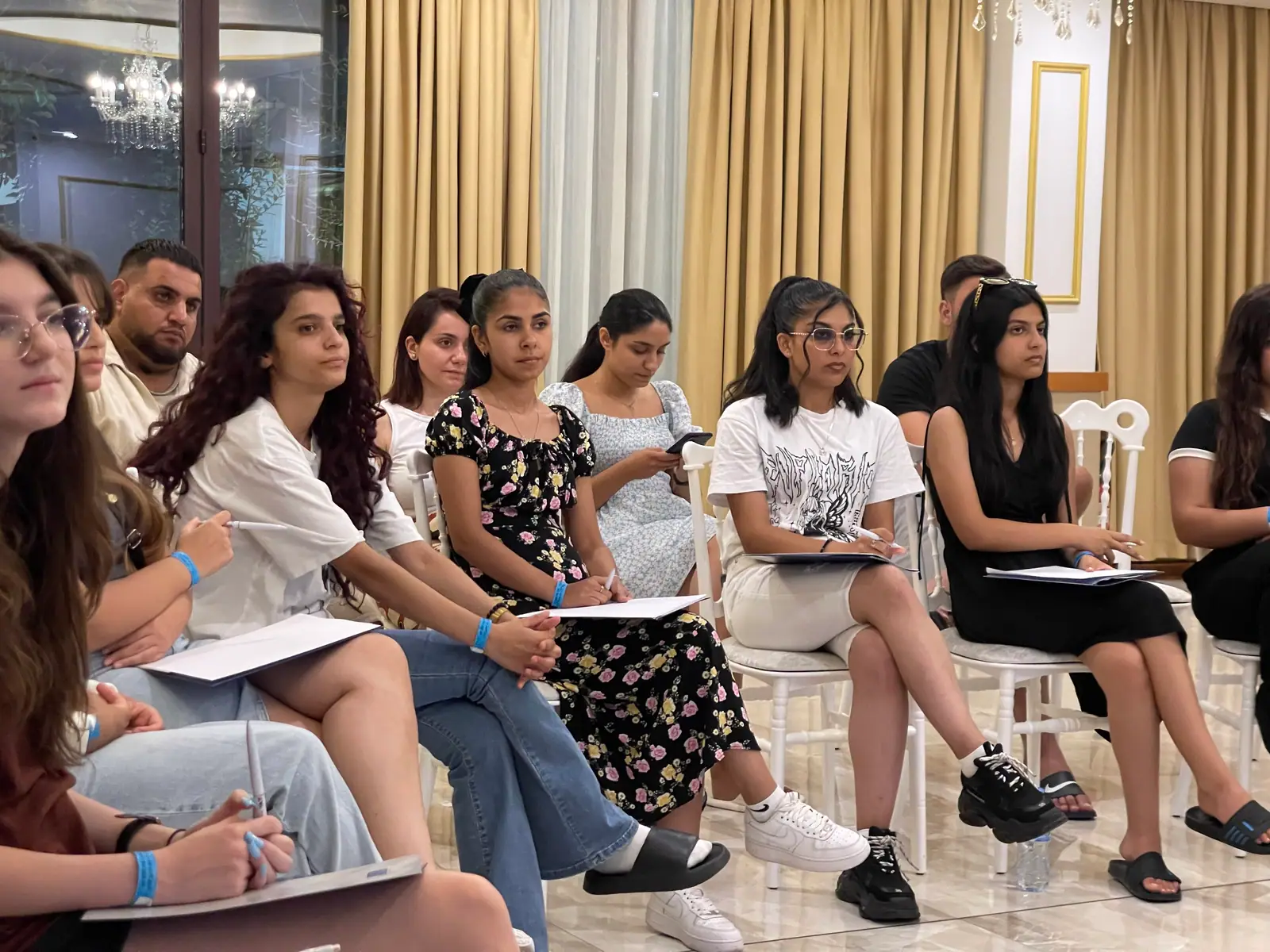
Celebrating at the summer school, July 2026
In their own words
Students from the programme talk about what it meant for them.
 Play video: Oktavio Kazanxhiu, TER-ALB
 Play video: Oksana Kazanxhiu, TER-ALB
 Play video: Nerajda Caka, TER-ALB
 Play video: Denada Arbiti, TER-ALB-02
 Play video: Gentjana Beqiri, TER-ALB-02
 Play video: Oktavio Kazanxhiu, TER-ALB (second interview)
 Play video: Summer School 2025, SEC-ALB-02 and TER-ALB-02
Delivered with the support of