Secondary Education Project
Raising academic performance and employability among Roma secondary school students.
-
128
Roma pupils supported in 2023–2026, 83 girls and 45 boys
-
83
pupils finished secondary school
-
3
dropouts in three years, and none in 2025–26
-
1,781
hours of mentoring and tutoring
The problem
Participation falls sharply at the transition to upper-secondary education. Families under economic pressure withdraw students, and the support services mandated by law are largely absent in practice.
Objectives
- Increase awareness among Roma families of the importance of secondary education
- Improve academic performance and employability of Roma secondary students
- Improve utilisation of secondary education support measures
What the project did
The programme supports Roma pupils in general and vocational secondary schools across Albania, in yearly cycles run with the Roma Education Fund. It ran three cycles from 2018 to 2021, and a second three-year phase from 2023 to 2026, “Increasing Performance and Employability of Roma Secondary School Students in Albania”.
- Scholarships. Every pupil selected receives a full scholarship for the school year, so that the cost of books, transport and clothes does not decide whether a child stays in school.
- Mentoring. Each pupil has regular one-to-one mentoring on study habits, motivation and choices after school: 799 mentoring sessions from 2023 to 2026.
- Tutoring and Matura preparation. Tutors help in the subjects pupils find hardest, in groups and individually, with dedicated preparation for the Matura exam: 982 tutoring hours from 2023 to 2026.
- Skills for work. Soft-skills workshops, digital-tools training and English courses, then internships with partner employers under signed memoranda of understanding, including with the National Agency for Employment and Skills.
- The Roma Academy. Modules on Roma identity and culture, history and commemoration, and the Romani language, so pupils learn about their own heritage alongside the school curriculum.
- Working with families. Parents are kept informed about the national and local support their children are entitled to, and how to claim it: 137 parents took part from 2023 to 2026.
- The step to university. Final-year pupils get help choosing a university and course, and with each stage of the application.
2018–2021: the first three cycles
The first phase ran under the regional action “Increased Education Opportunities for Roma Students and Youth in Western Balkans and Turkey”. In 2019–20, 30 pupils from nine cities were supported: 80% improved their grades and 90% passed the year, and 9 applied to university with the project’s help. In 2020–21 the cohort grew to 40 pupils at the Roma Education Fund board’s decision; 80% improved their grades, all 40 moved on to the next year on time, and 8 took up internships. When COVID-19 closed schools, internships were turned into community mediator roles.
Results
For the 2023–2026 phase:
- 128 pupils, 83 girls and 45 boys, were supported over three years, with 176 yearly scholarships in total.
- 83 pupils finished secondary school.
- 3 dropouts in three years, and none at all in 2025–26.
- 89% of pupils in 2025–26 improved their grades: 67 of 75.
- 1,781 hours of mentoring and tutoring.
- 81 places in digital-tools training, 69 in soft-skills workshops and 64 in English courses.
- 17 internships, and 17 memoranda of understanding signed with employers and institutions.
Impact
Across both phases the pattern is the same: pupils who receive a scholarship together with a mentor stay in school. Over the three years of the second phase, only three pupils left school; every other pupil either graduated or moved up a year.
The reports also note what support cannot fix alone. There is still no sign that the Albanian state will fund a programme like this; the main resources remain the EU and other donors.
In pictures
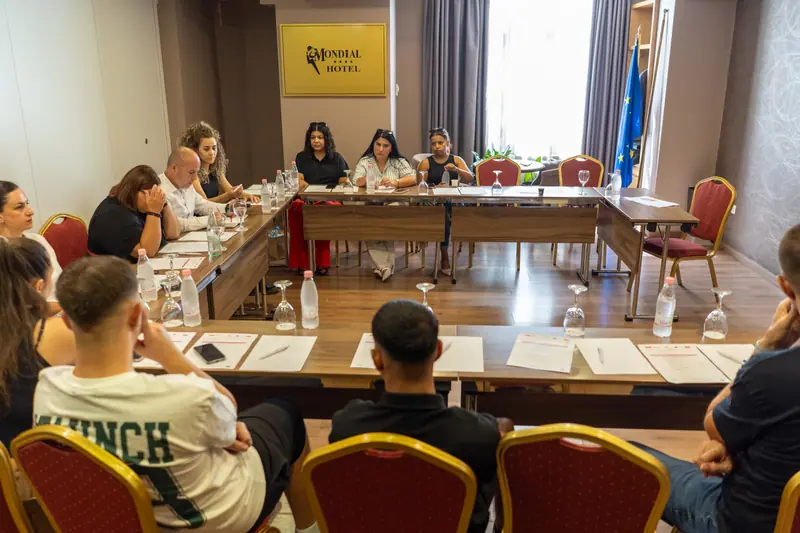
The SEC and TER closing conference, August 2026 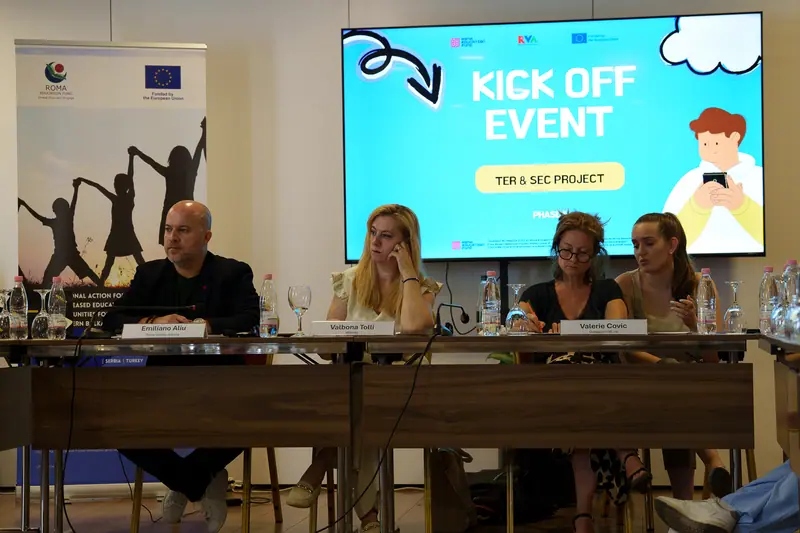
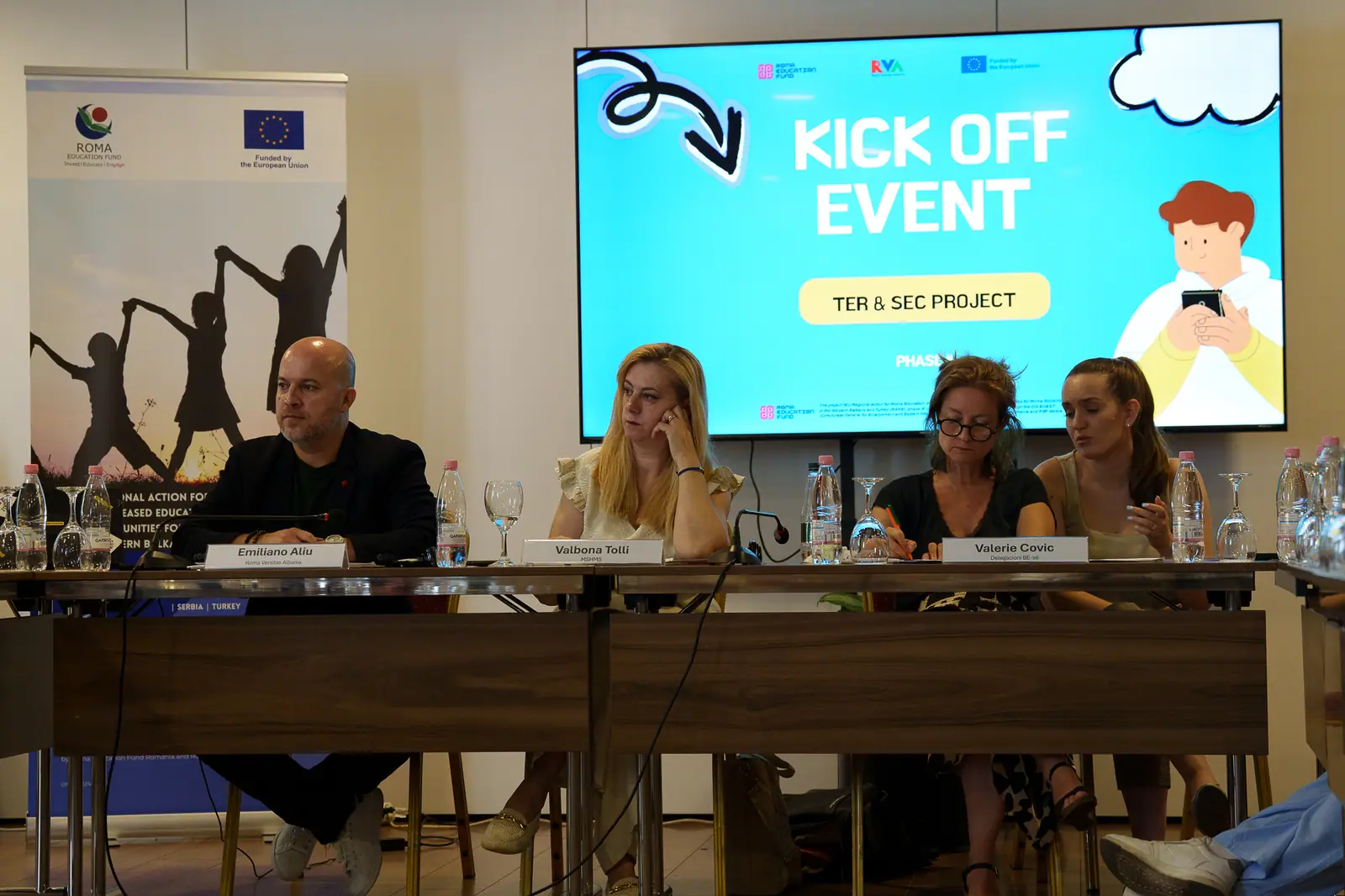
The kick-off event for the second year, July 2025 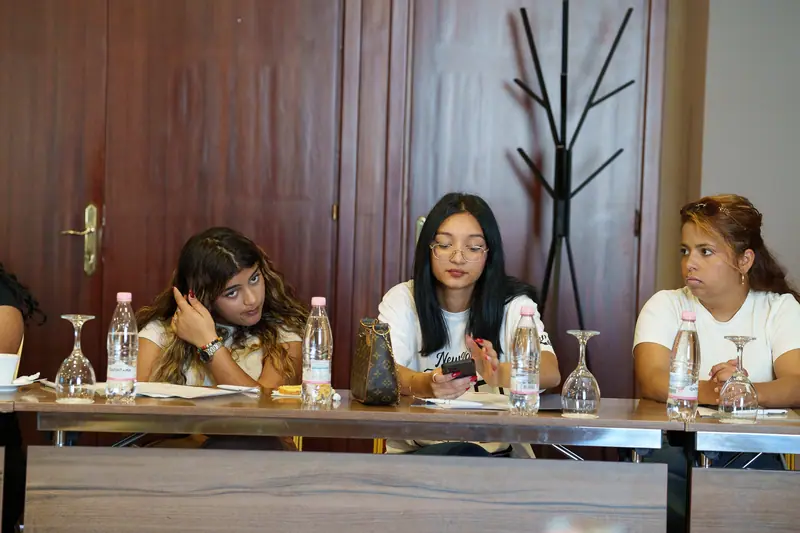
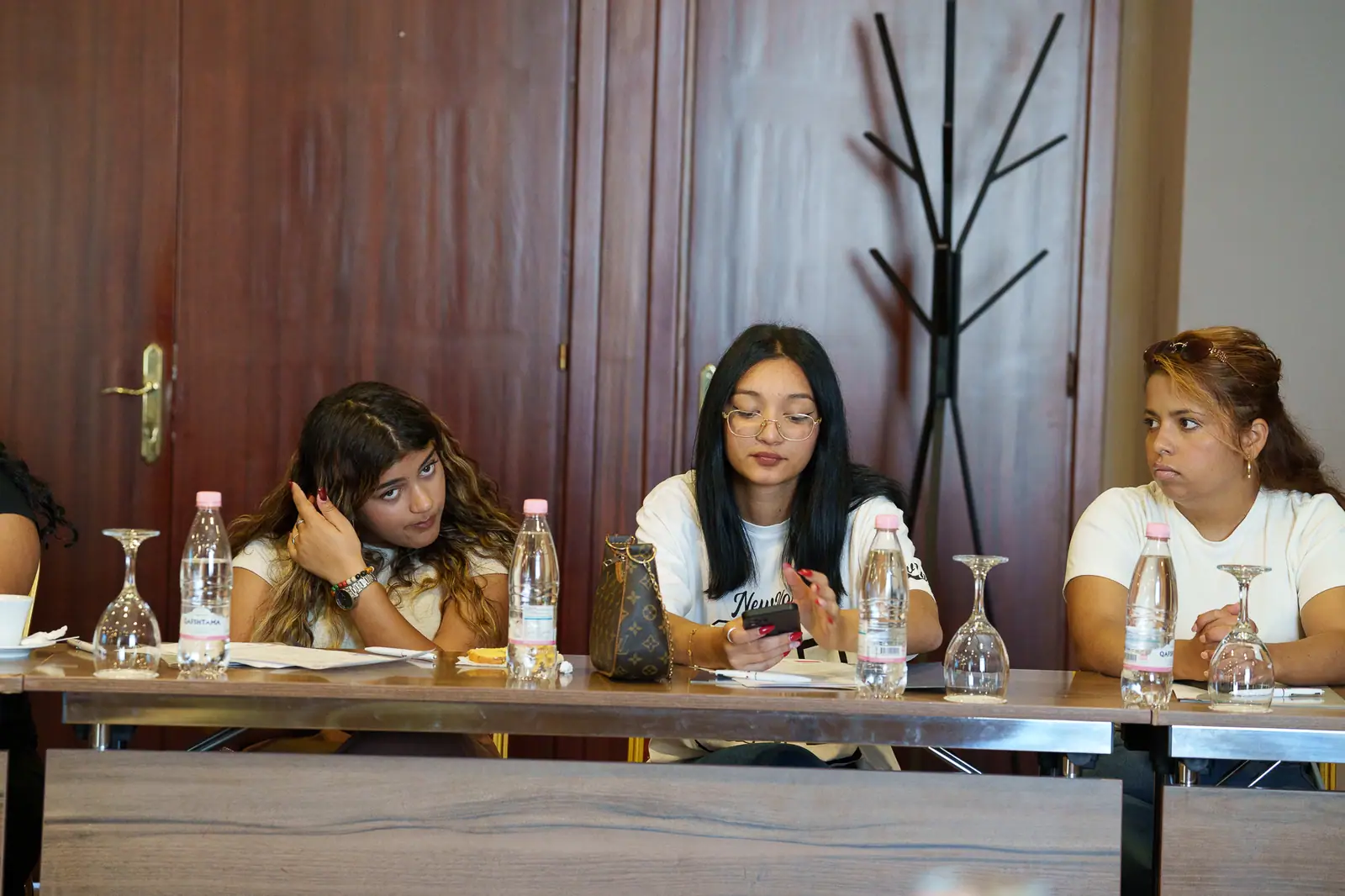
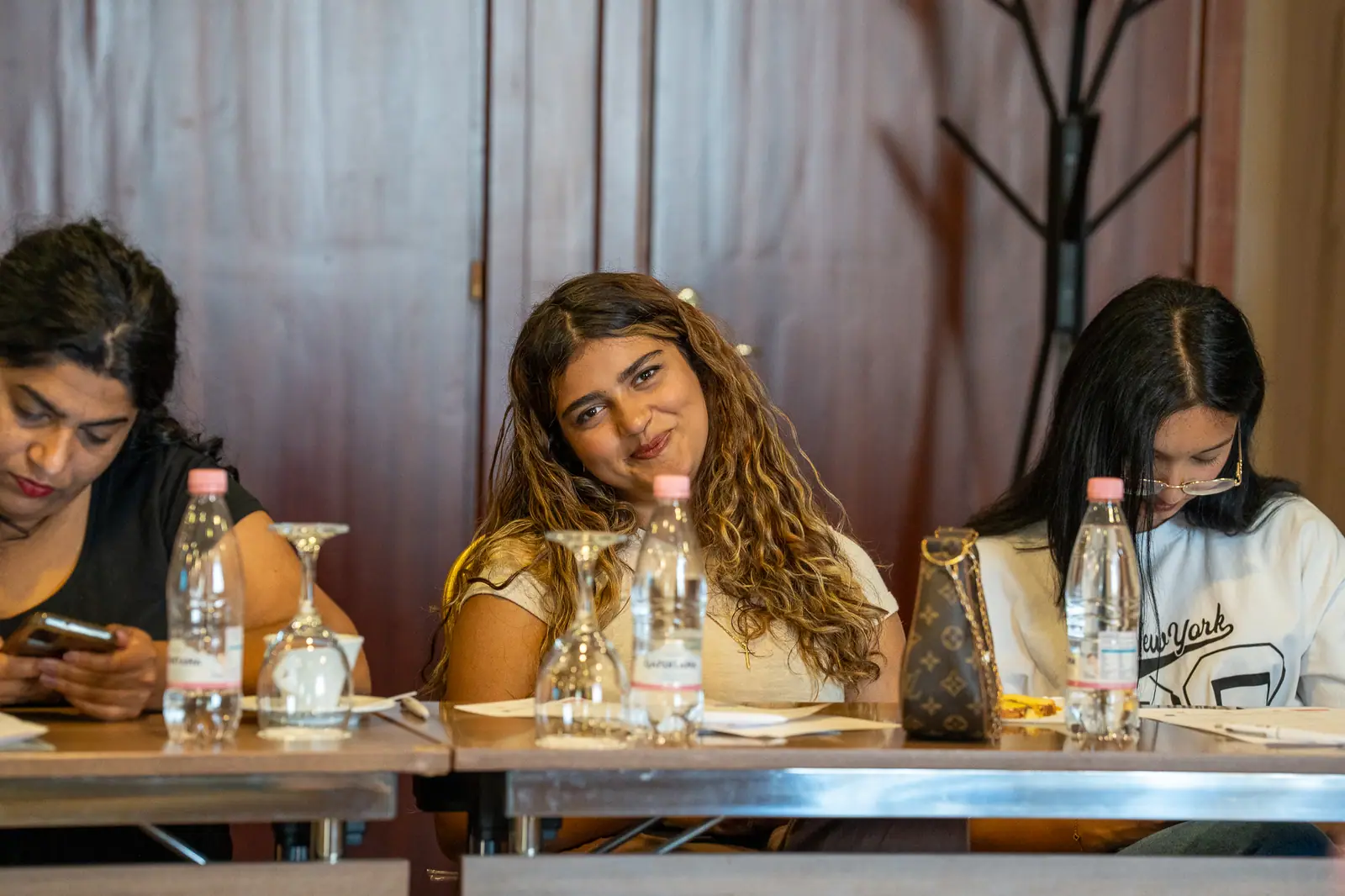
Beneficiaries at the kick-off event, July 2025 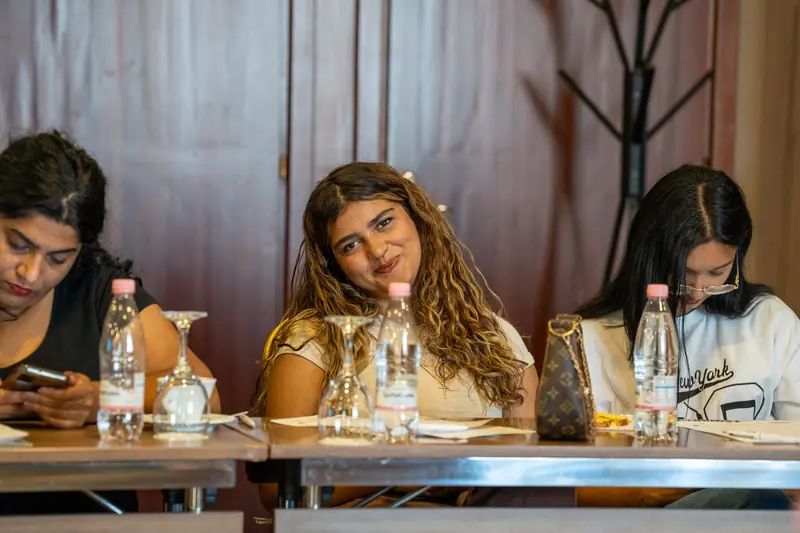
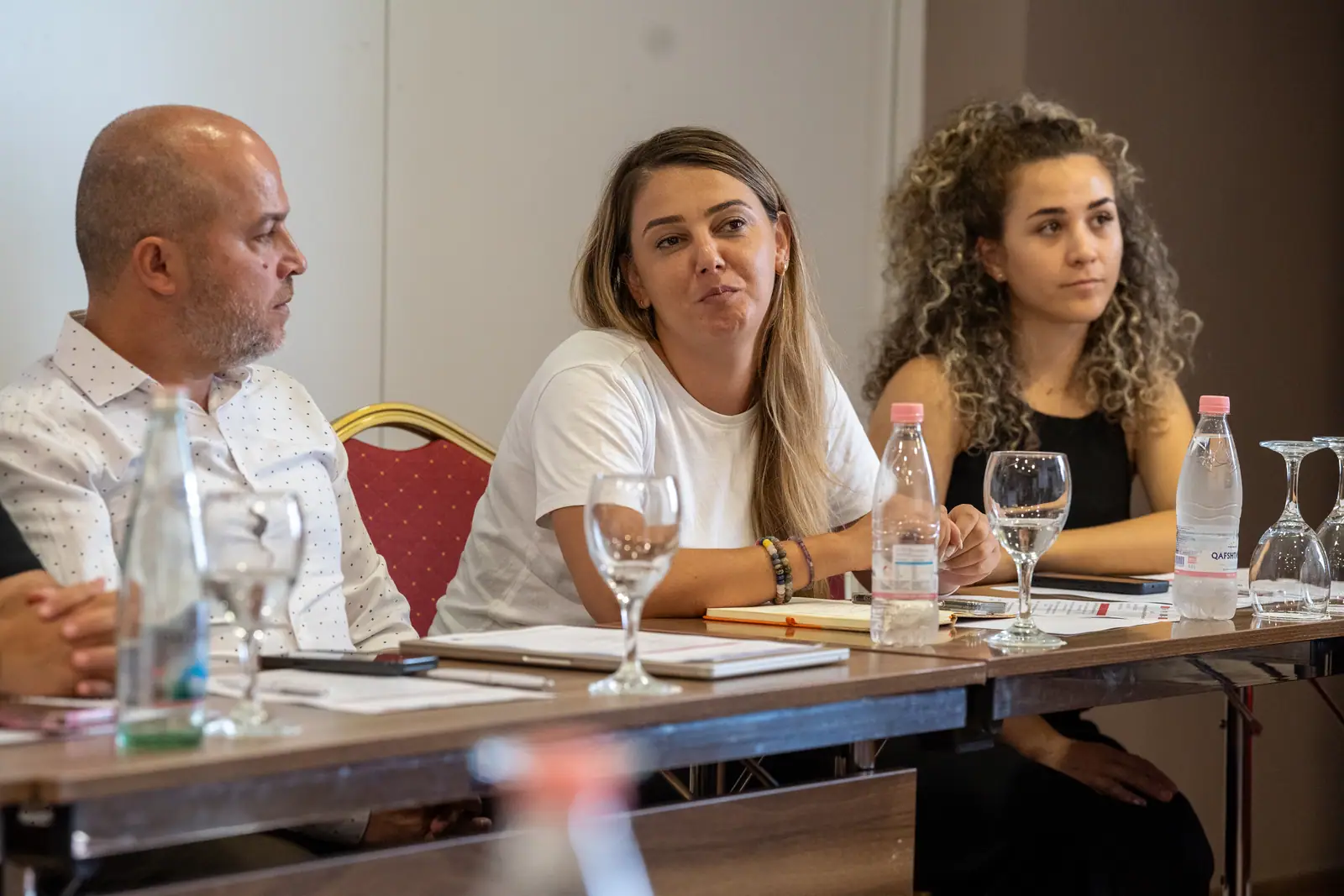
At the kick-off event, July 2025 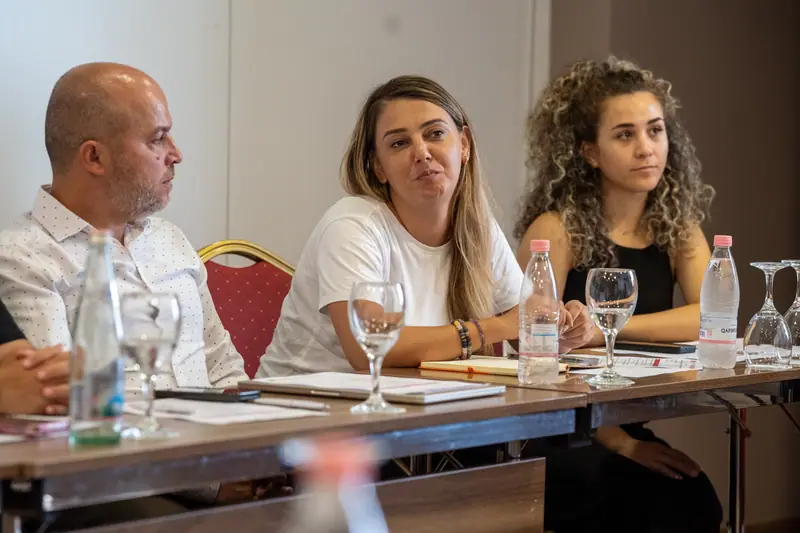
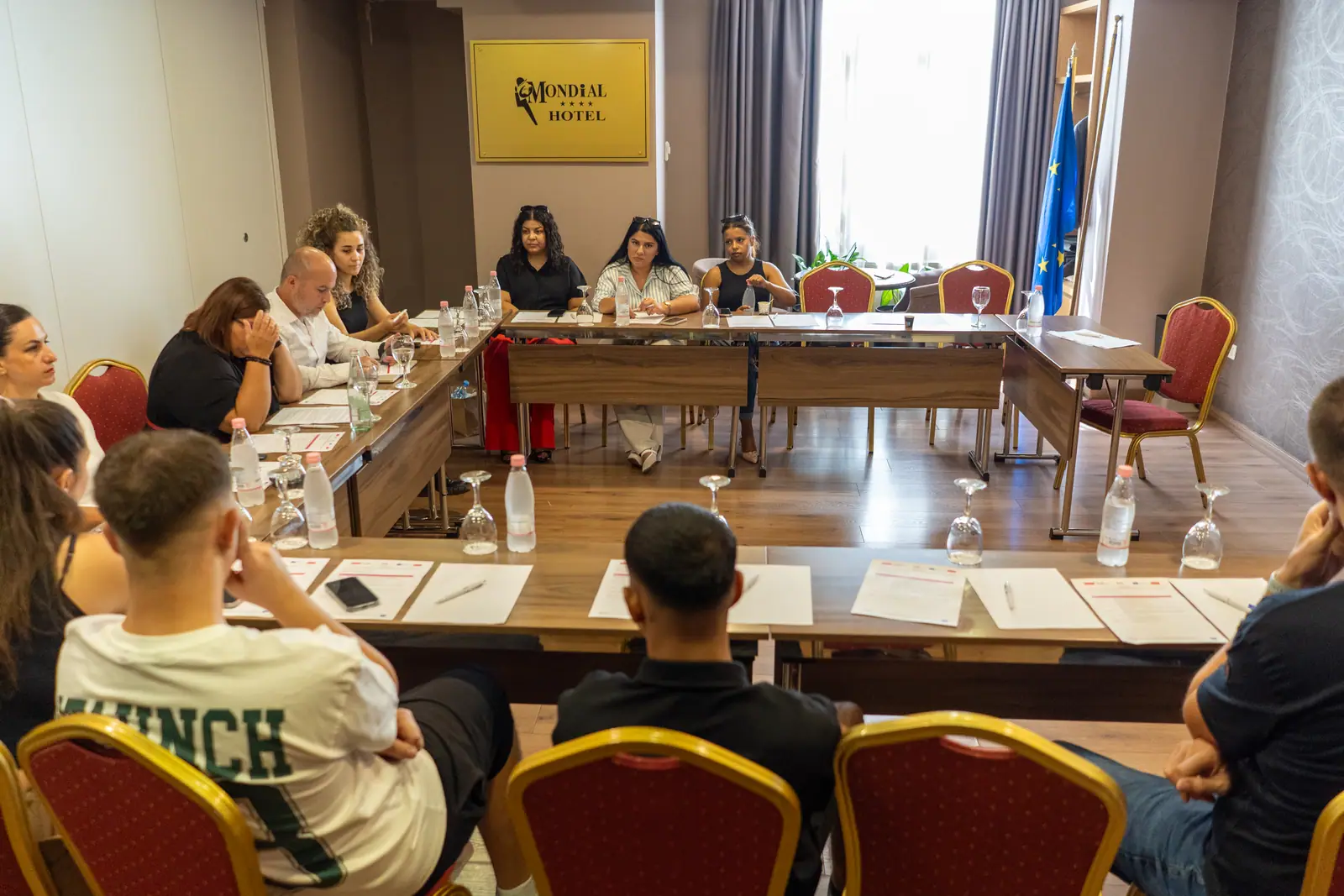
Discussion at the closing conference, August 2026 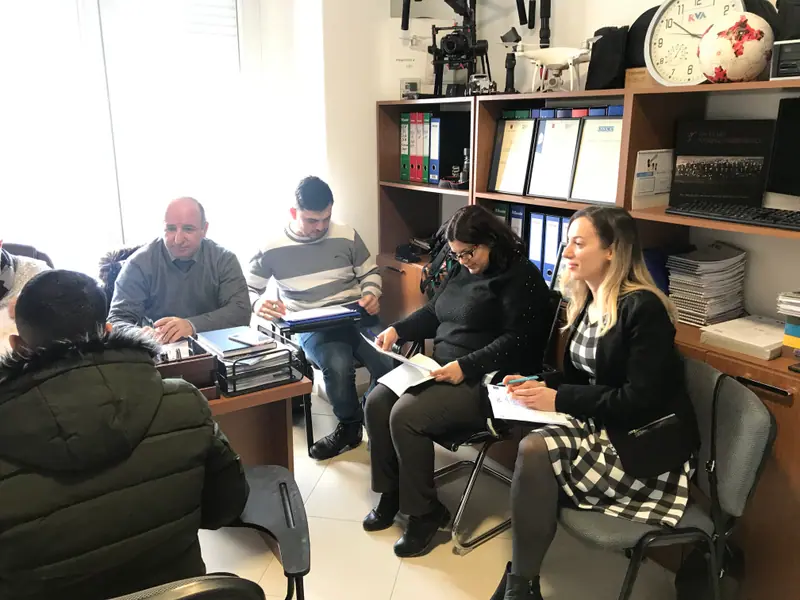
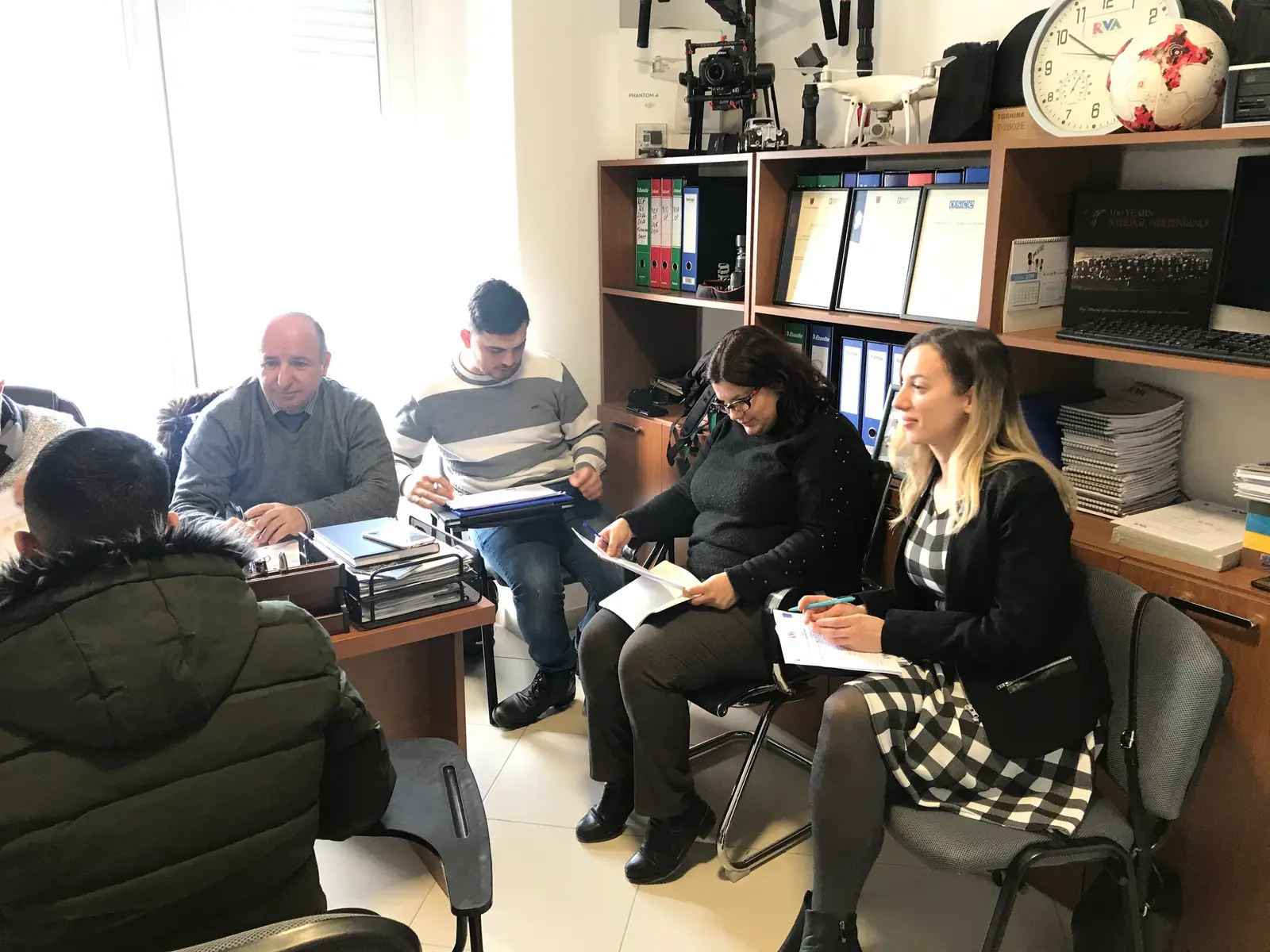
Selecting beneficiaries, January 2019
In their own words
Students from the programme talk about what it meant for them.
 Play video: Sara Xhafa, SEC-ALB
 Play video: Aurora Gashi, SEC-ALB
 Play video: Rebeka Feruku, SEC-ALB
 Play video: Auena Berati, SEC-ALB
 Play video: Olta Gashi, SEC-ALB
 Play video: Summer School 2025, SEC-ALB-02 and TER-ALB-02
Delivered with the support of