Access to Justice for Roma
Legal education enabling Roma students and mediators to open access to justice for their communities.
-
329
people surveyed in marginalised settlements
-
6
community paralegals certified
-
80
legal cases identified in the first phase
-
76%
of people surveyed had never heard of the right to information
The problem
Rights that exist on paper are inaccessible without someone who knows how to claim them. In marginalised communities that knowledge is scarce and legal aid rarely reaches them.
Objectives
- Strengthen human rights awareness for thirty Roma and Egyptian students
- Strengthen access to justice in marginalised communities
- Develop capacity to engage with human rights institutions and legal aid providers
What the project did
From October 2020 to June 2023, with the support of UNDP and the Norwegian Embassy, the project trained Roma and Egyptian students and community and health mediators to bring legal knowledge into their own communities in Fier, Rrogozhinë and Berat. It ran in three phases, each building on the last.
- Legal education, 2020–21. Ten training sessions with the Ombudsman, the Commissioner for Protection from Discrimination, the Commissioner for the Right to Information and Data Protection, the Institute of Public Health, the consumer protection agency and others. The sessions became a ten-lesson module of video tutorials and readings.
- Agreements with institutions. Memoranda of understanding were signed with five institutions, so mediators can refer cases directly.
- Street law. Trained mediators held information sessions in their neighbourhoods on rights, freedom of information and free legal aid.
- Research. Mediators ran 329 questionnaires in marginalised settlements, the basis of the project’s study on access to justice for Roma.
- Advanced training, 2021–22. Twelve advanced workshops for 21 students and mediators, focused on legal tools and how to use them.
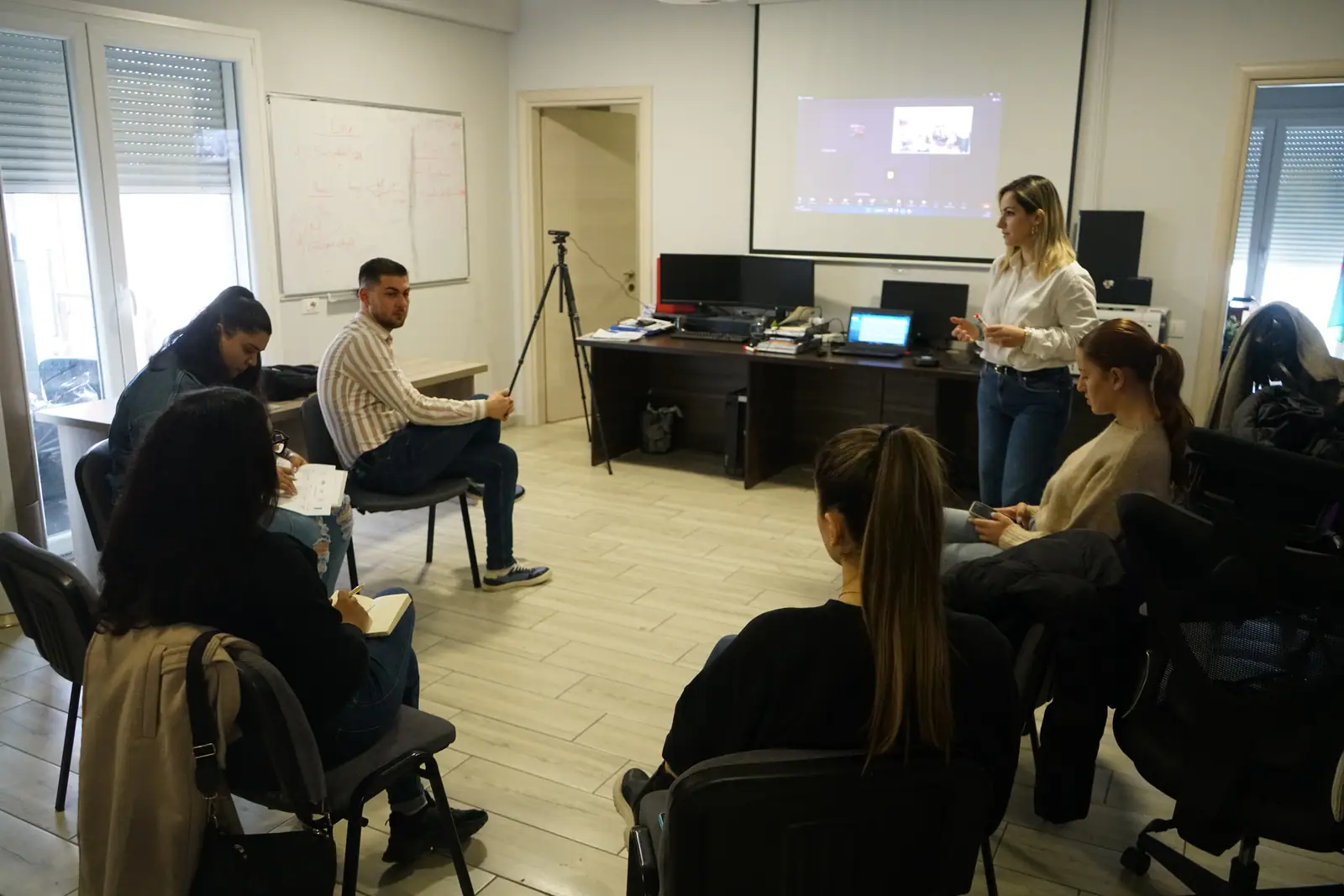
- From theory to practice, 2023. Twelve sessions on legal assistance procedures, certification of community paralegals, and six awareness sessions on housing and property, divorce, children’s rights and health services.
- Legal aid. With the Roma Women Rights Center’s lawyer, families received advice on custody, civil registration of children born abroad, returning to school after emigration, and protection from domestic violence, and some cases went to court.
Results
- 17 students and mediators trained in 2020–21, and 21 in 2021–22.
- 6 paralegals certified in 2023 to give primary legal assistance.
- 5 agreements signed with human rights institutions.
- 329 people surveyed about their access to justice.
- 317 people reached with information on their rights in 2021–22, including 64 families.
- 80 legal cases identified by mediators in the first phase alone.
Impact
Three in four people surveyed had never heard of the right to information. The most frequent problem was unfinished divorces; others included homes and land never legalised, exclusion from social assistance without explanation, and children born abroad left unregistered. Mediators from the community are now able to recognise these cases, explain the options and refer them to the institutions that can act.
The study concludes that nine months is not long enough for work this complex: cases need follow-up, and communities need a lasting relationship with legal aid, not a single visit.
In pictures
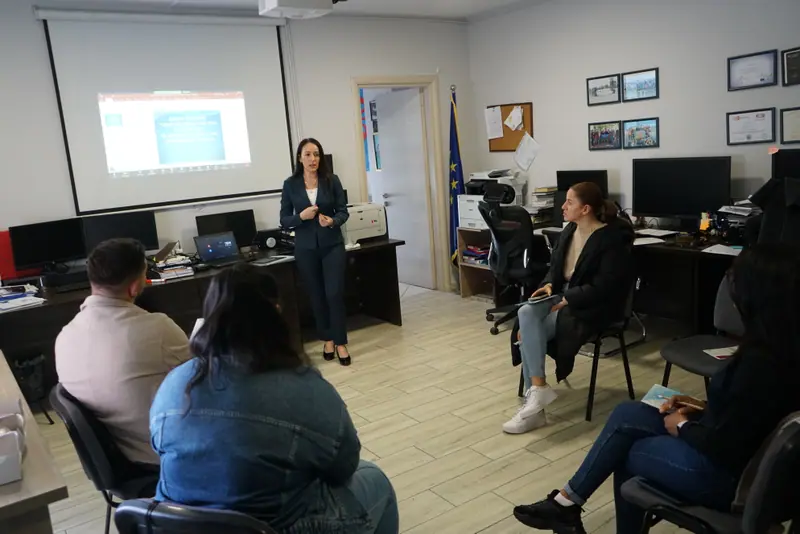
Paralegal training, March 2023 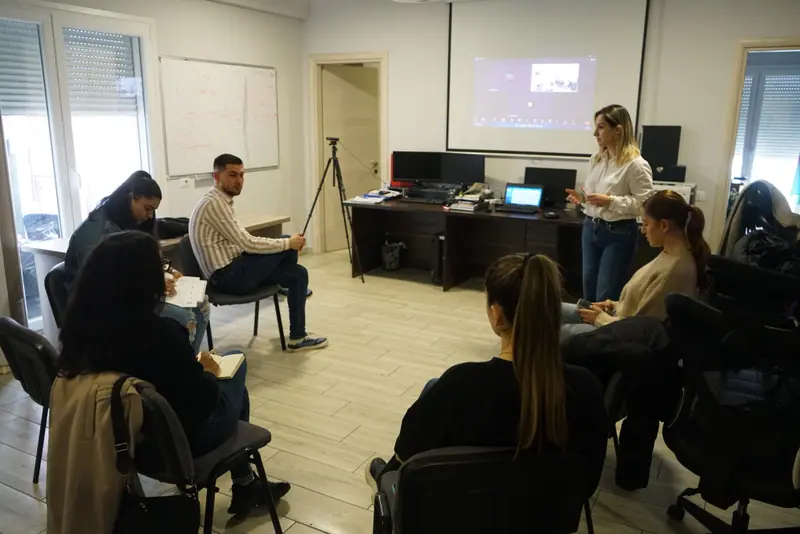
Training session, March 2023 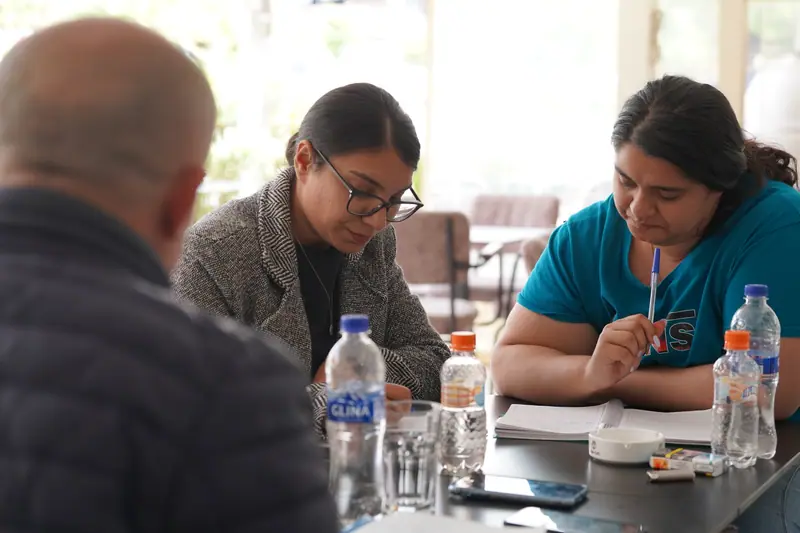
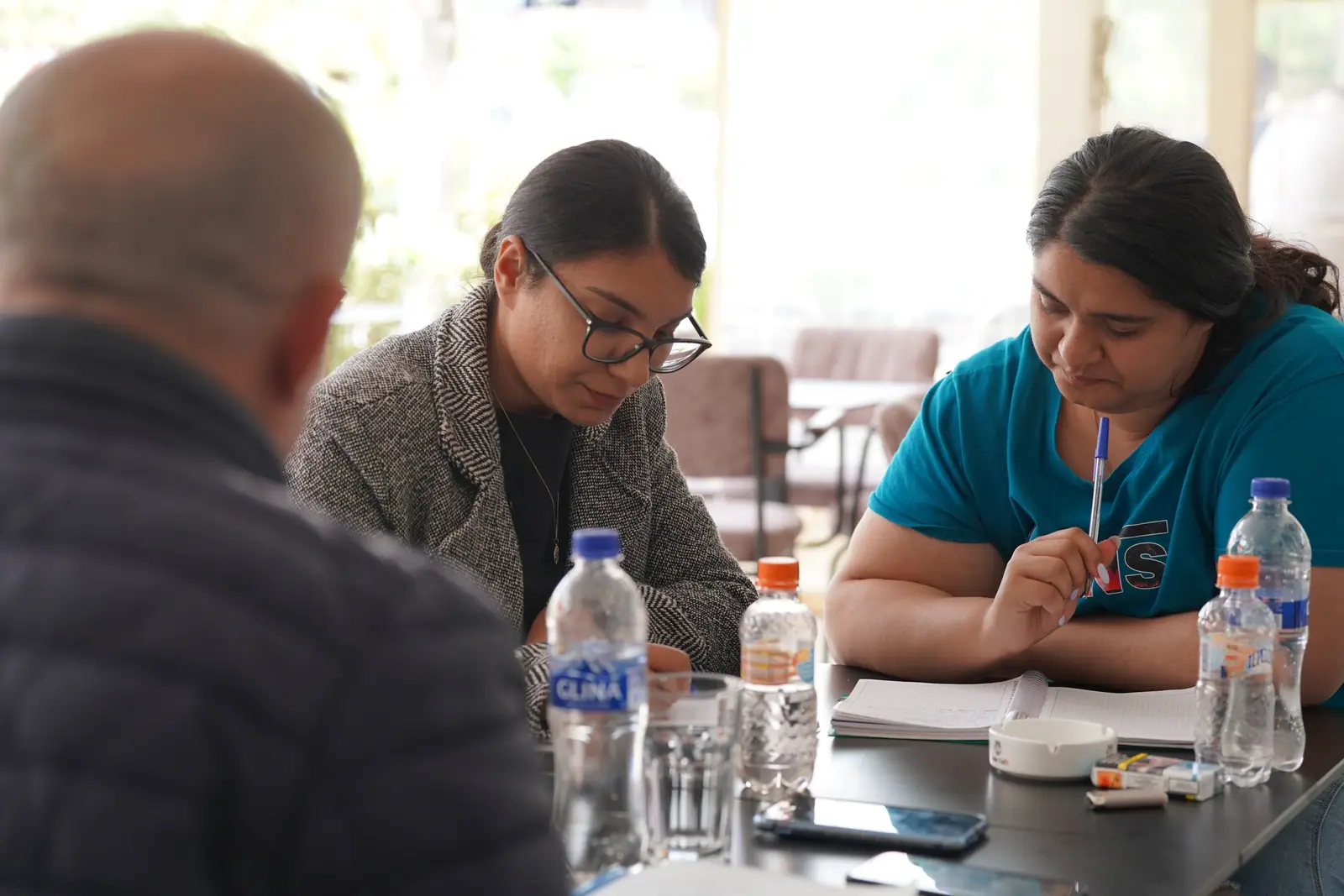
Mediators at work, Rrogozhinë, May 2023 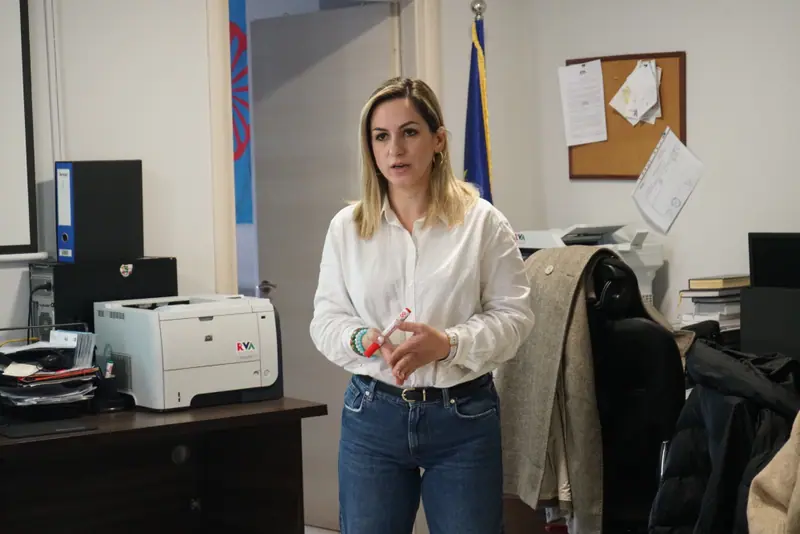
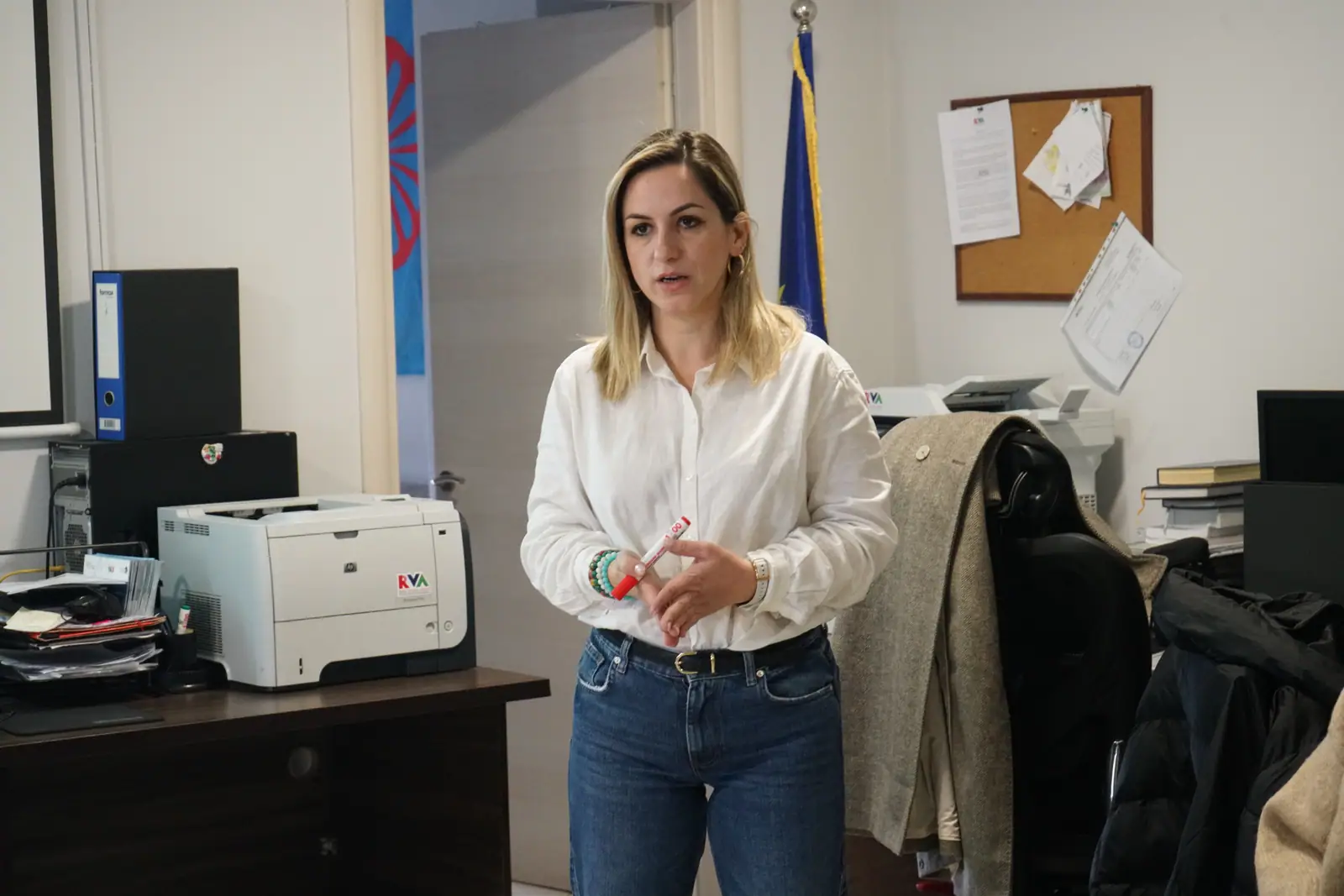
A trainer from a partner institution, March 2023 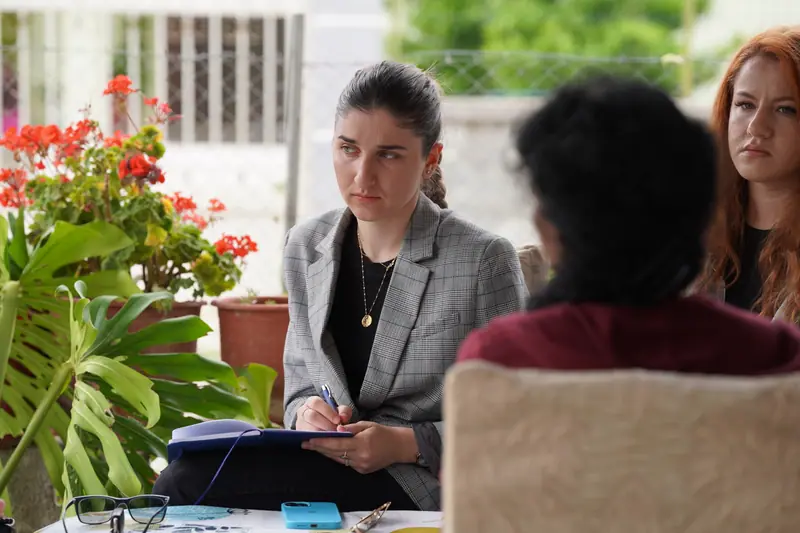
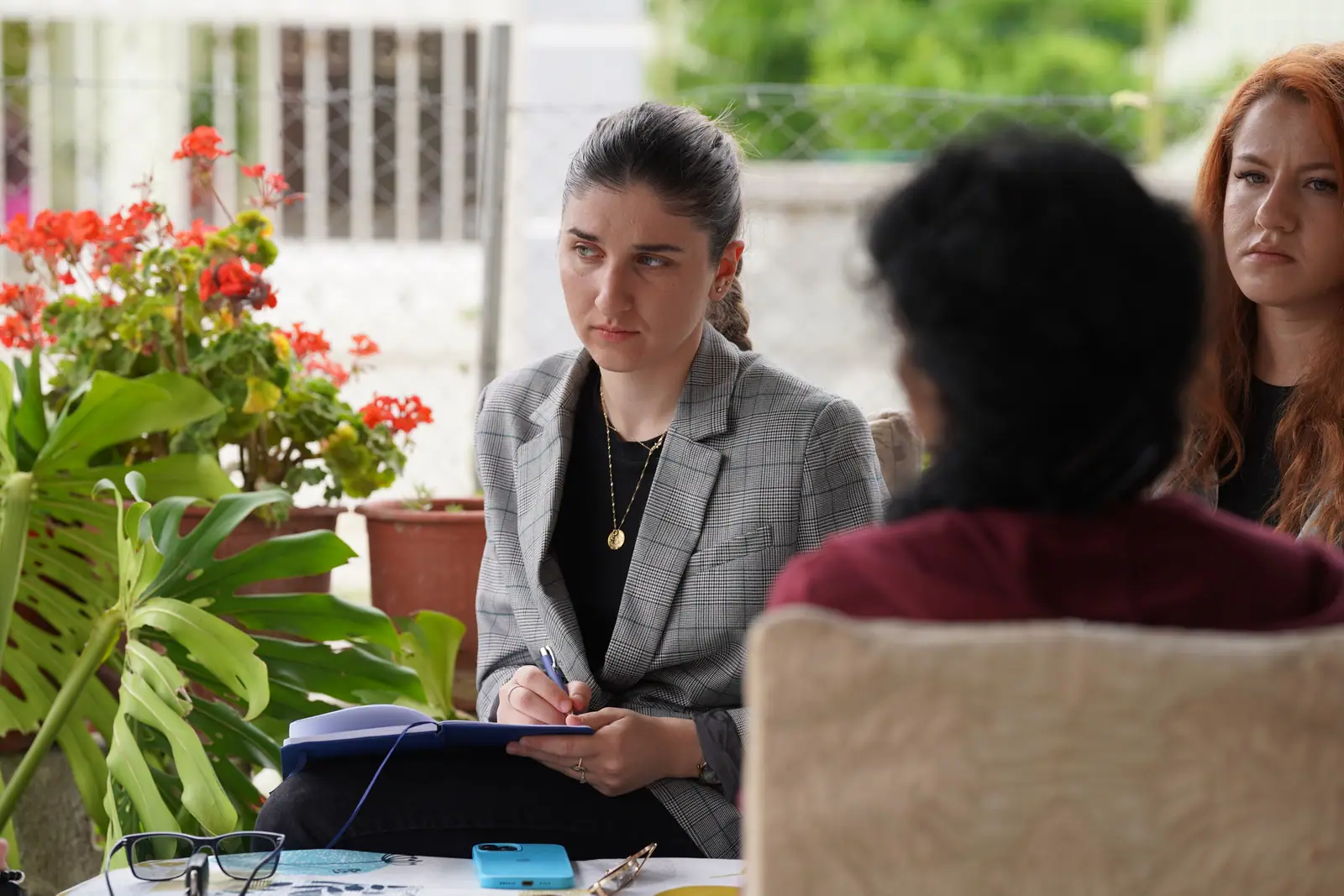
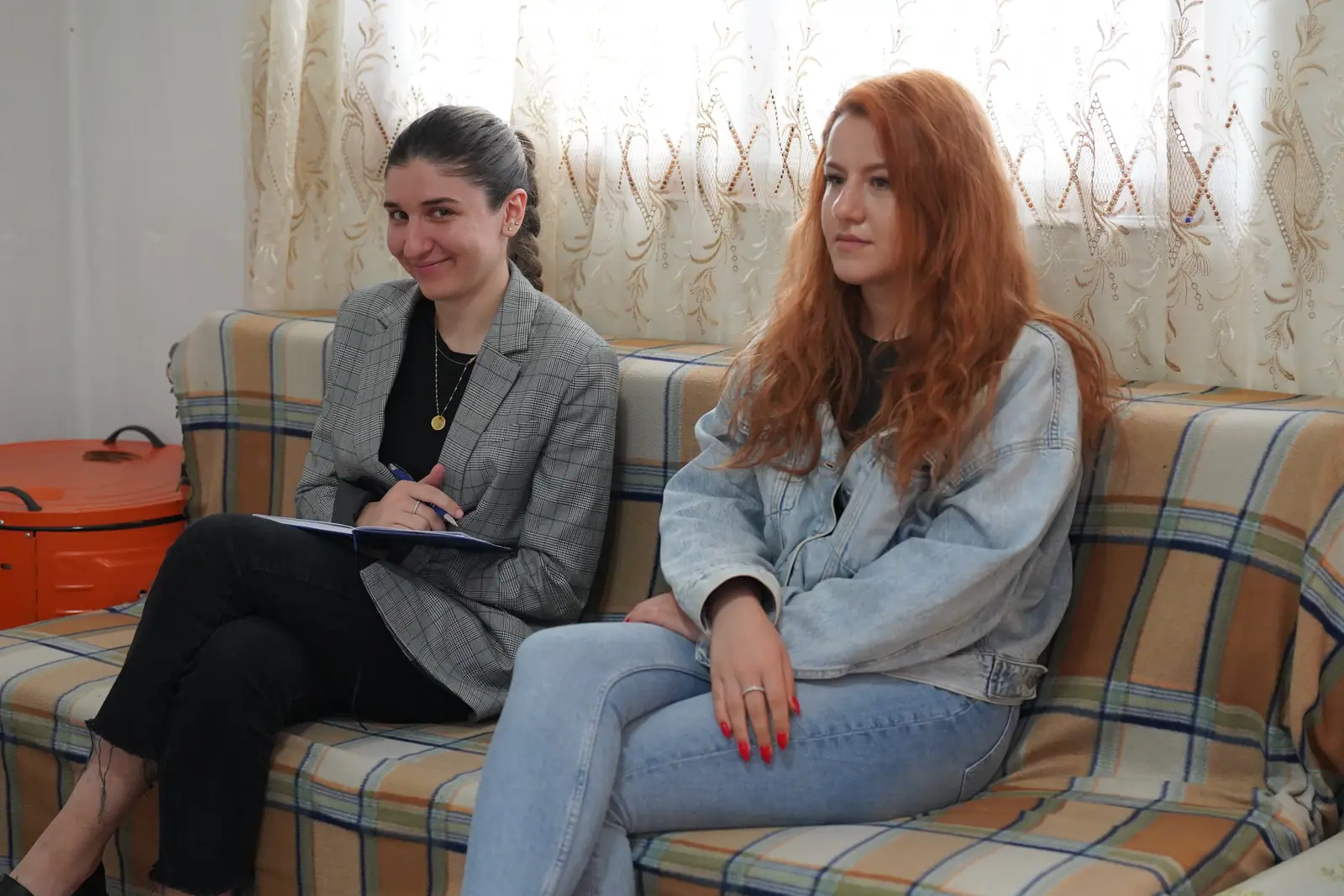
A paralegal visit, Fier, May 2023 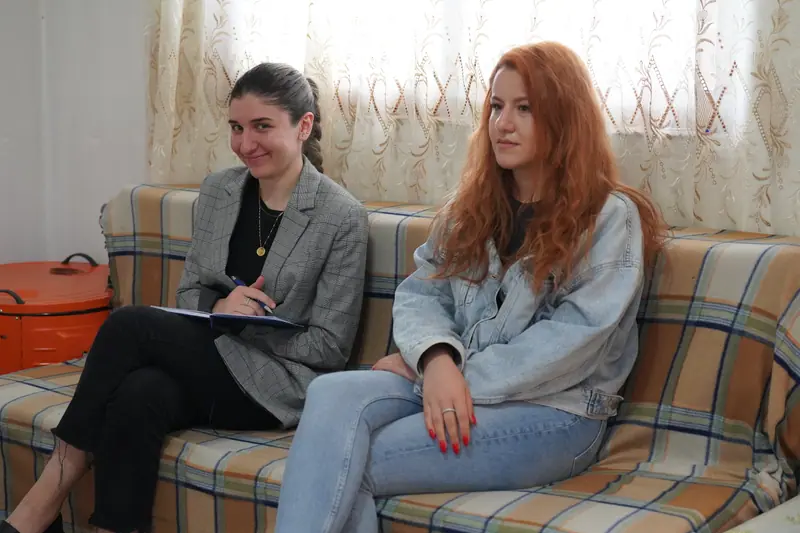
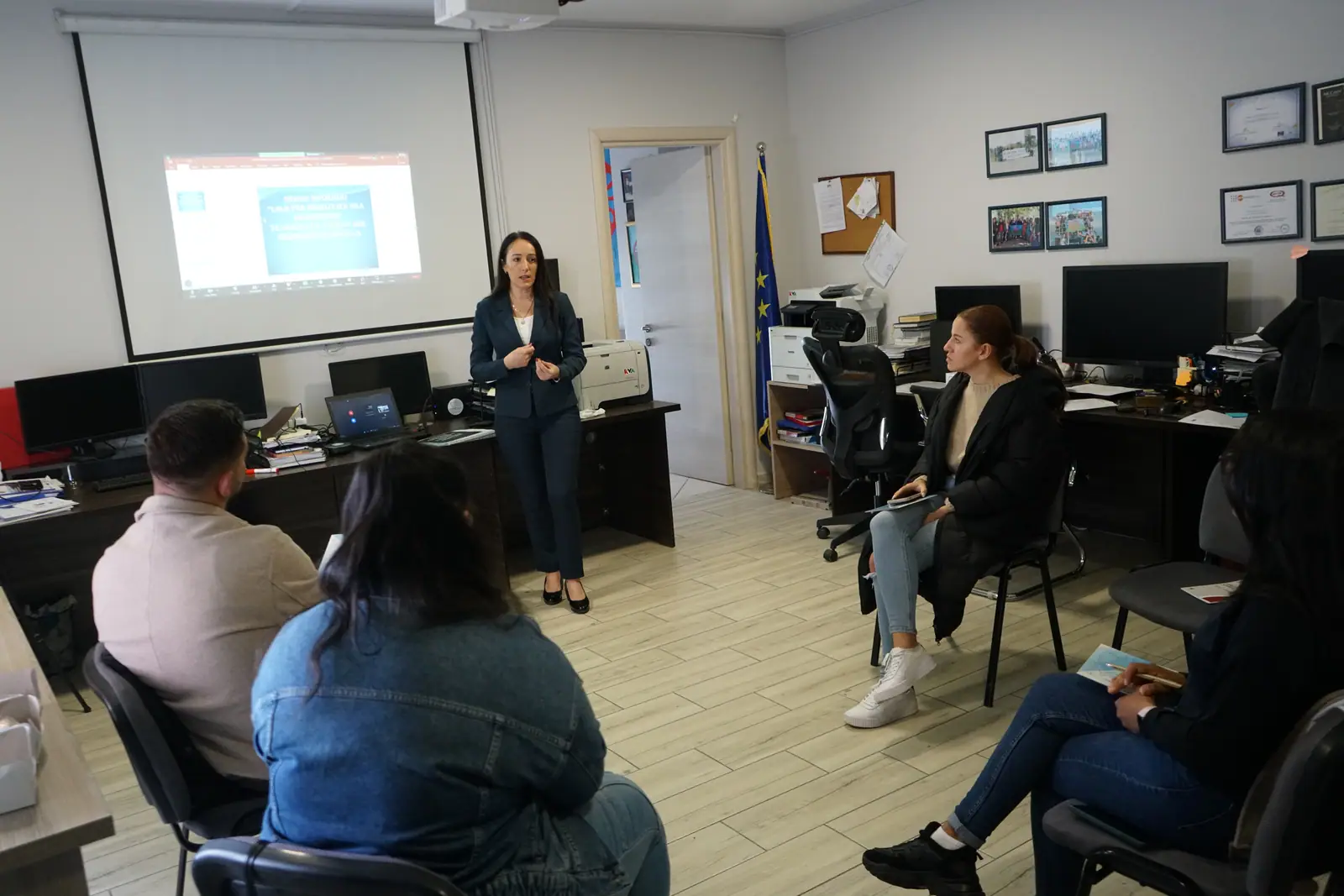
Paralegals on a community visit, Fier, May 2023
Research from this project
Access to Justice for Roma: Legal Education of Students, Community and Health Mediators
The study written from 329 questionnaires in Fier, Rrogozhinë and Berat.
Read the study