Back To School
Raising attendance and performance among Roma and Egyptian pupils, on merit and need.
-
50
Roma and Egyptian pupils in grades 3 to 9, 35 girls and 15 boys
-
€50
scholarship each month for every pupil, with the Municipality of Tirana
-
4 h
or more of mentoring a month from Roma and Egyptian university students
-
12
pupils on track to move on to secondary school
The problem
Since 2005 the general position of Roma and Egyptian pupils in school has improved, but enrolment in secondary and tertiary education has fallen over recent years. High dropout rates and low attendance remain the central obstacle.
In Tirana, Roma and Egyptian pupils in compulsory education were missing school, leaving early and falling behind. Behind this sat poverty, ethnic discrimination and bullying, little involvement from parents who often had little schooling themselves, and low awareness of support such as scholarships. Migration pressure and functional illiteracy made it harder still.
Objectives
- Increase attendance among Roma and Egyptian pupils
- Improve school achievement through personalised mentoring
- Encourage ambition, and keep pupils in school with a municipal scholarship
What the project did
Phase 2 ran from 1 June 2024 to 31 May 2025 in Tirana, with the Municipality of Tirana, for 50 Roma and Egyptian pupils in grades 3 to 9. Each pupil received a scholarship of €50 a month and a personal mentor.
- Listening to parents. The project held 50 interviews to find out why children leave school for reasons other than money. Parents named illness, patriarchal norms, no one to look after younger children, ethnic discrimination, bullying and the absence of role models.
- Meeting every family. 52 one-to-one meetings explained who could get the scholarship, collected the documents it needed and talked through why regular attendance matters.
- Running the scholarship with the municipality. The project prepared each pupil’s file, verified the details with schools and kept in contact with the Municipality of Tirana every month. Two pupils who emigrated were replaced after checks with their schools.
- Mentoring every pupil. Roma and Egyptian university students gave each pupil at least four hours a month: reading, maths, confidence, public speaking and managing emotions, with extra classes for 9th graders before their final exams. When the office moved, sessions carried on in community centres and in mentors’ homes.
- Tracking attendance and progress. Mentors followed all 50 pupils through the year, by hand where school records on e-Albania were missing, and visited families at home. Absences came down to things like no suitable clothes, caring for siblings, no electricity at home, illness and discrimination.
- Working with schools. The project worked with school psychologists and social workers to spot children at risk of dropping out. Cooperation was strong in three schools and limited in others, where community centres helped fill the gap.
- Taking it to policy. A policy document on scholarship criteria and academic standards was presented on 29 May 2025, at a final conference with the Ministry of Education, the Ministry of Health and Social Protection, the Municipality of Tirana’s Directorate of Protection and Social Inclusion, the minorities committee, school psychologists, mentors, parents and pupils.
- Partners. SHKEI selected the beneficiaries and verified data through its mentors in schools. The Roma Women Rights Center and local community centres gave the project space to meet families.
Results
- 50 pupils, 35 girls and 15 boys, kept their scholarship and mentoring for the whole school year.
- 12 pupils were on track to finish basic school in 2024–25 and move on to secondary education.
- 52 families took part in one-to-one meetings, and many asked for more: meetings with other parents, skills training and cultural presentations.
- 50 parent interviews, published as a policy paper.
- 15 success stories documented by mentors from their session reports.
- Five months of mentoring brought visible gains in pupils’ self-esteem, communication and engagement, and early improvements in grades.
- €36,000, the full budget, was spent as planned.
Impact
Direct, continuous contact with parents built trust and kept families involved, and some brought younger siblings into other Roma Versitas Albania programmes. Mentoring worked as a double support, academic and emotional at once. Where schools, the municipality and partner organisations cooperated, children at risk were found earlier and kept in school.
What held the project back
Some schools were slow to respond or showed bias, which delayed help for children at risk. Attendance records on e-Albania were incomplete and hard for parents with low digital literacy to use. A four-month delay in scholarship payments worried families and meant scaling back events, including International Roma Day.
Recommendations
- Formalise cooperation with schools and municipalities in written agreements, so school psychologists and social workers take part as a matter of course.
- Train school support staff in non-discrimination, cultural sensitivity and inclusive practice.
- Require schools to upload attendance to e-Albania on time and in one standard format.
- Give families with limited digital access a help desk or community liaison for online systems.
- Repeat the clear division of roles between NGOs that worked in this project.
- Pay scholarships on a predictable schedule. Delays cost families’ trust.
- Make mentoring a permanent part of school support, not only a project.
- Keep using real stories to show decision-makers what educational support changes.
In pictures
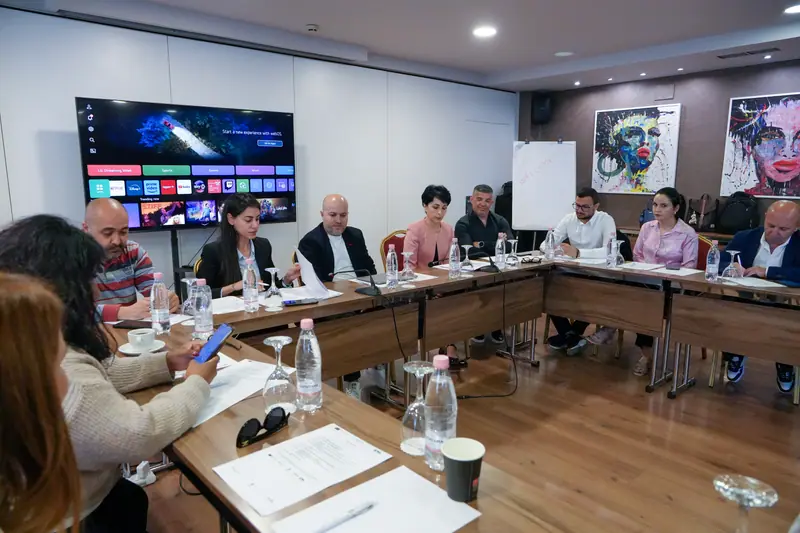
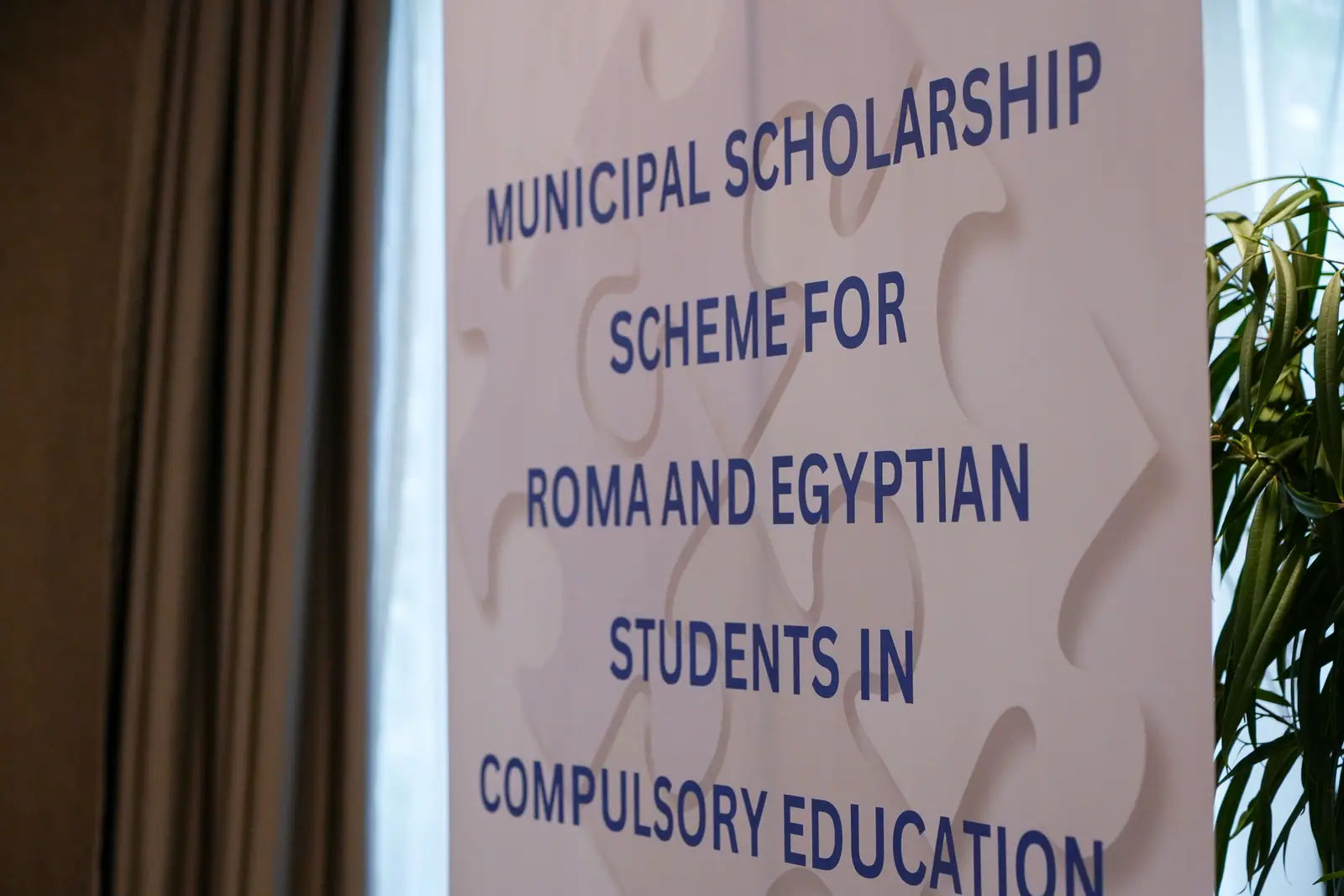
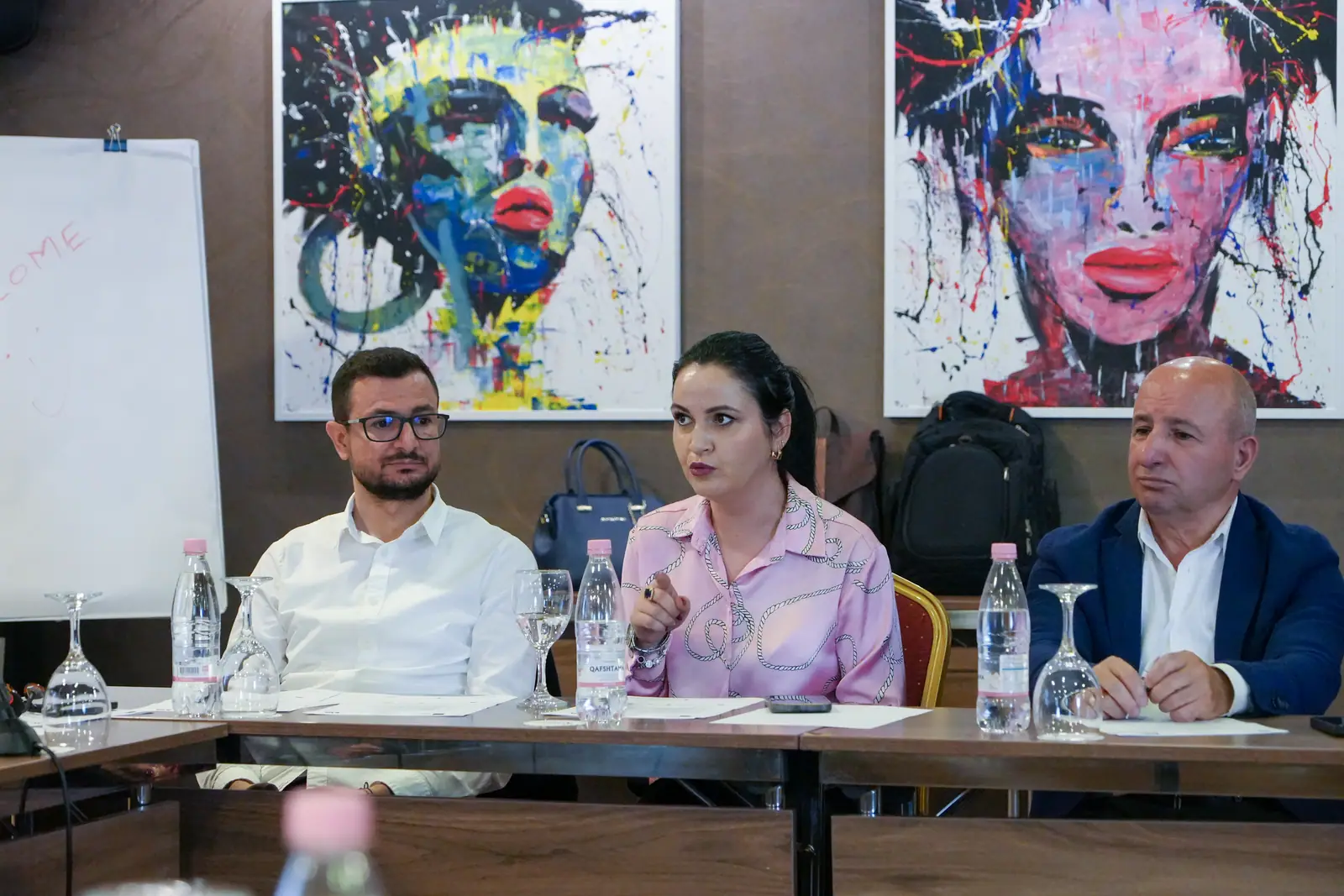
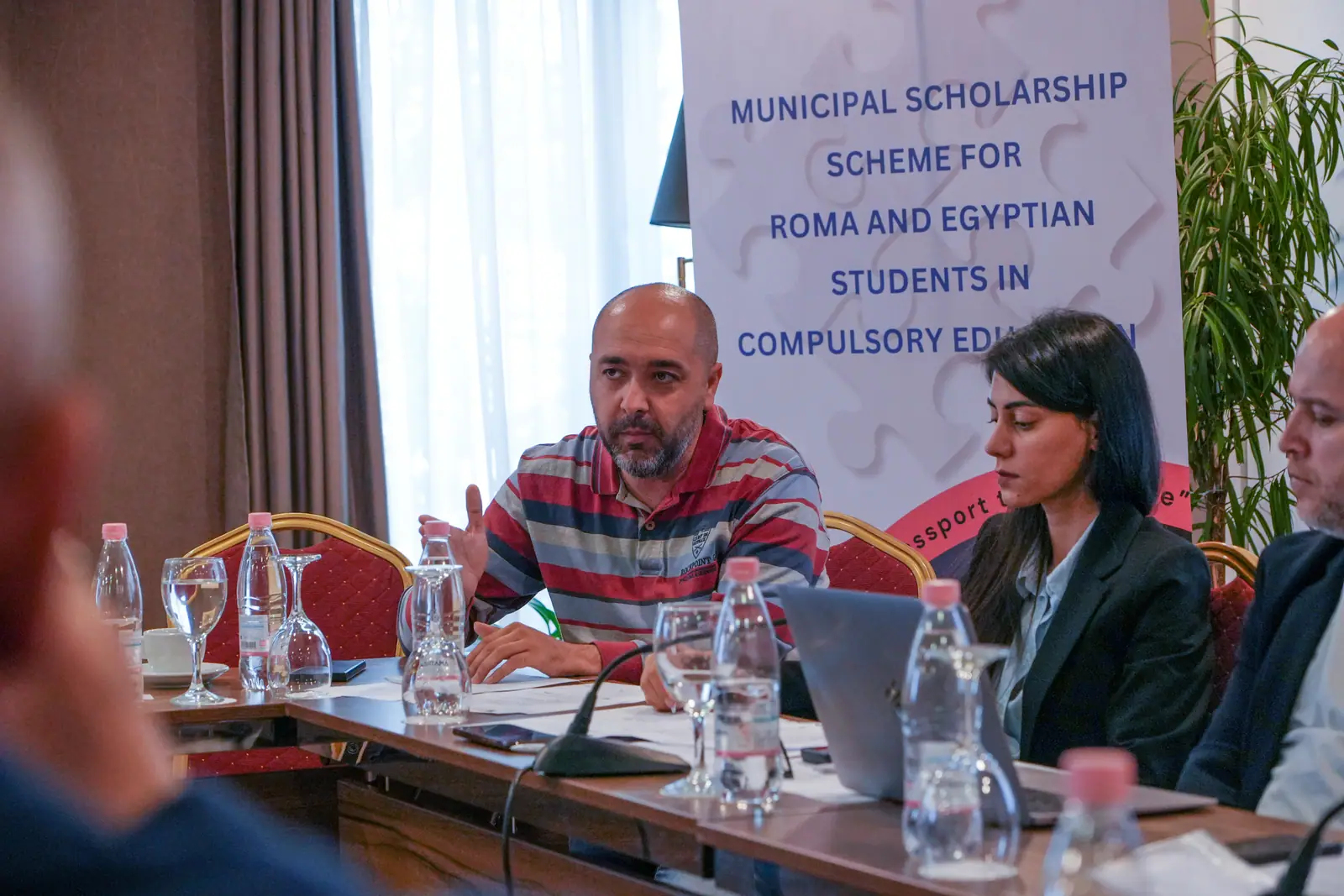
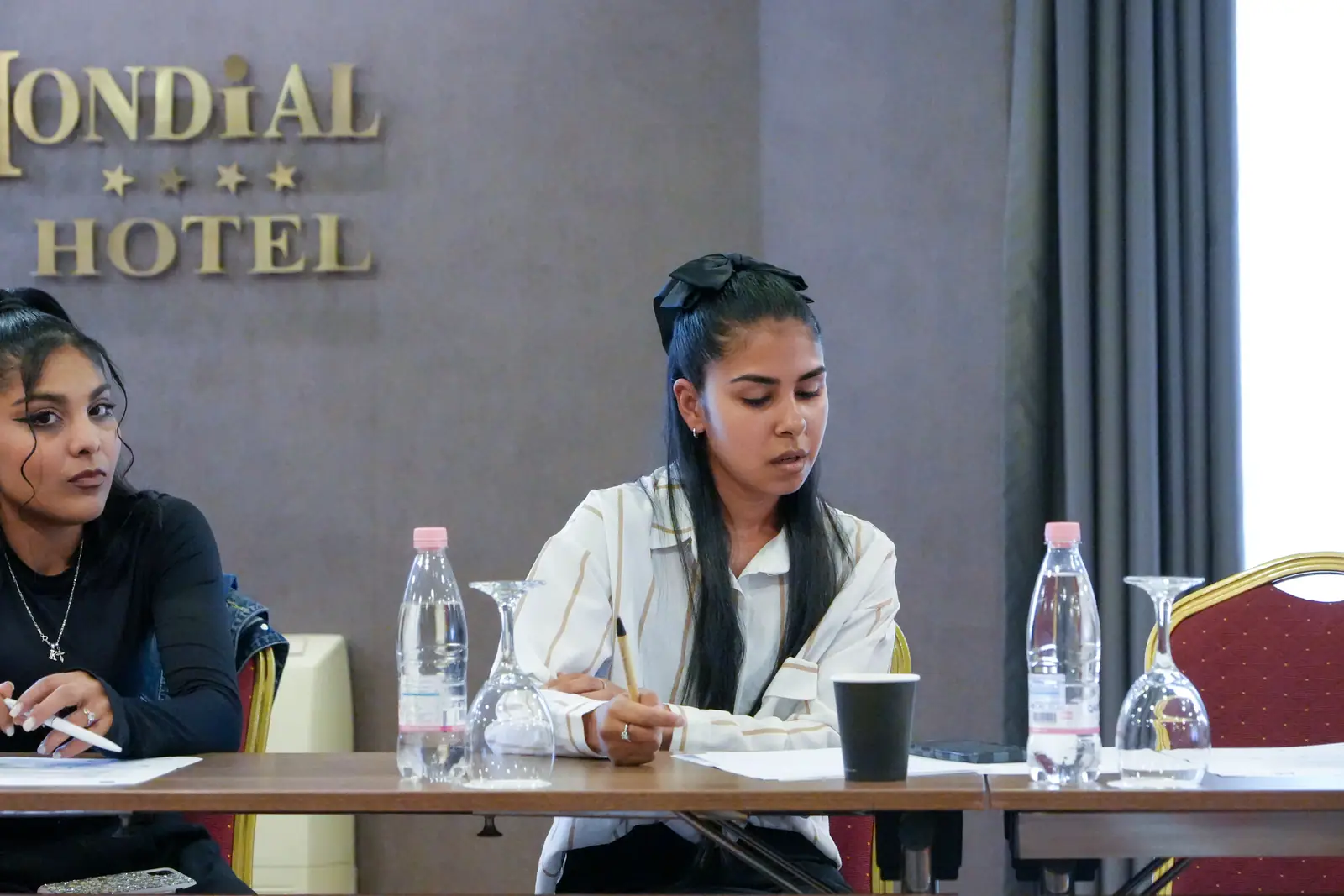
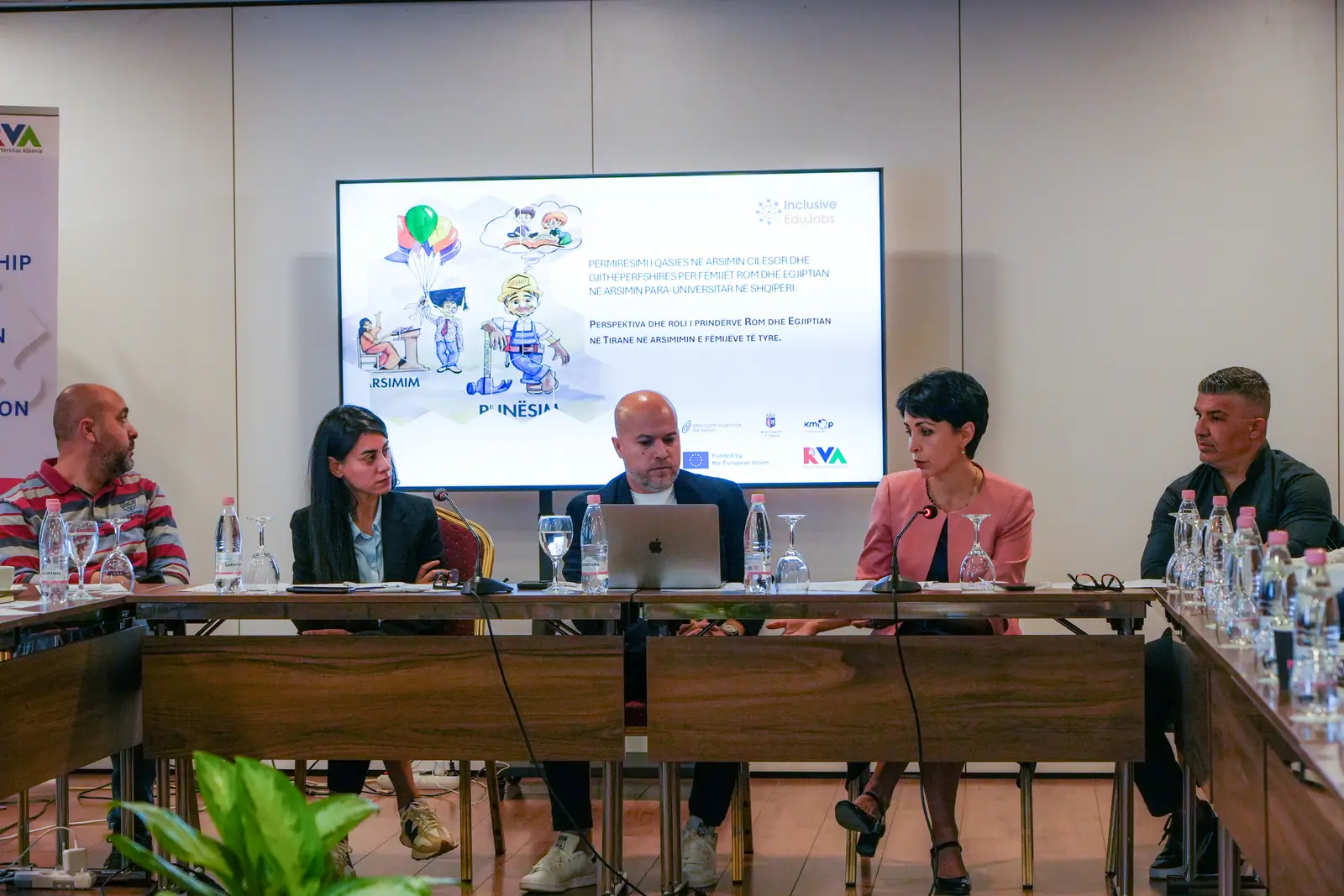
The final conference, Tirana, May 2025 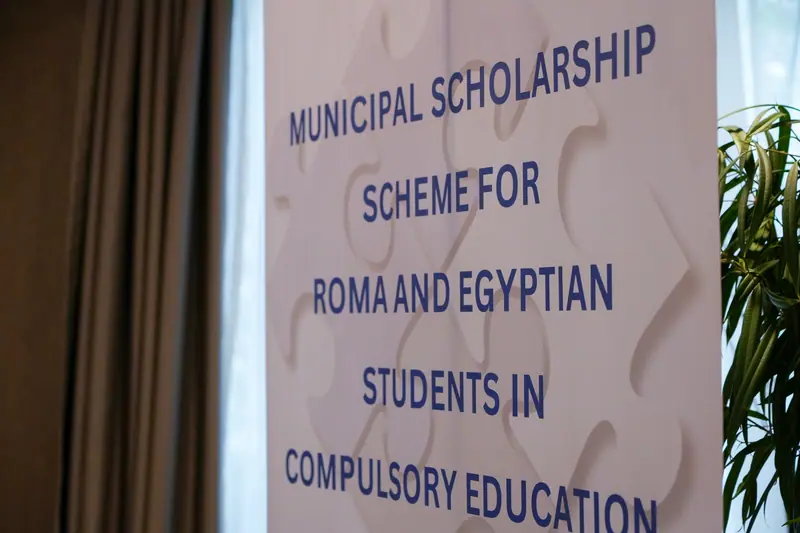
The scholarship scheme run with the Municipality of Tirana 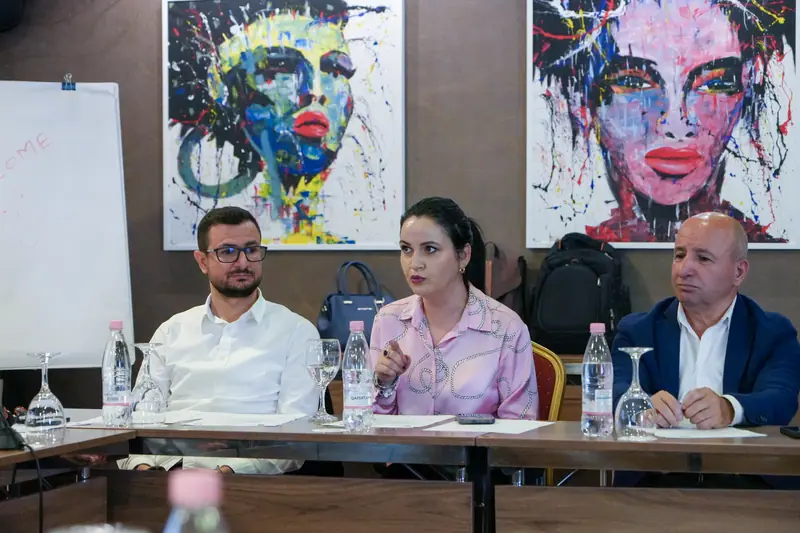
Presenting the results, May 2025 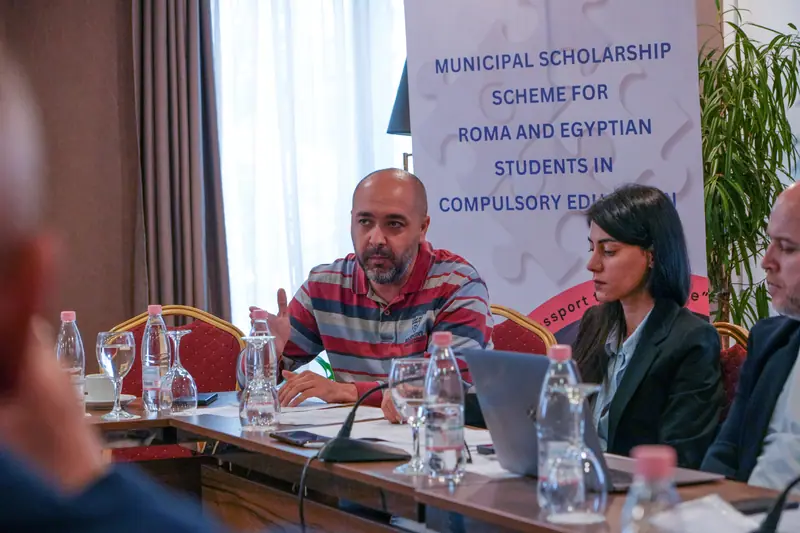
Discussion with institutions, May 2025 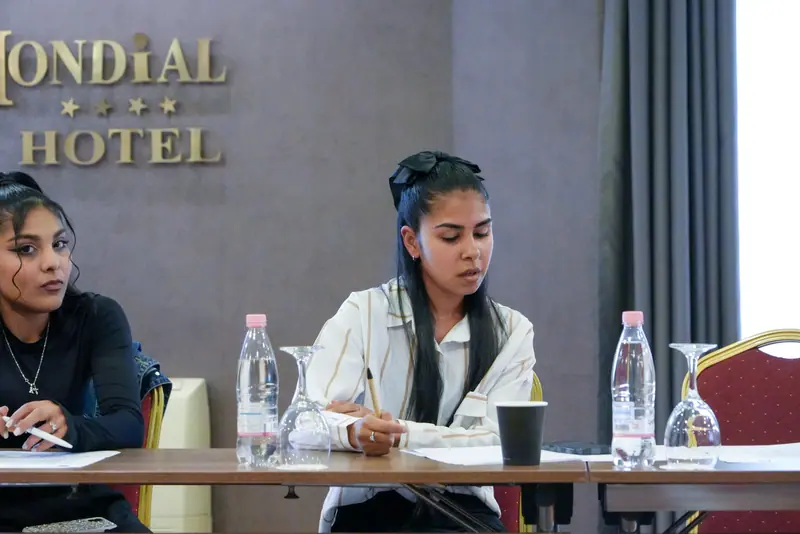
Participants at the conference, May 2025 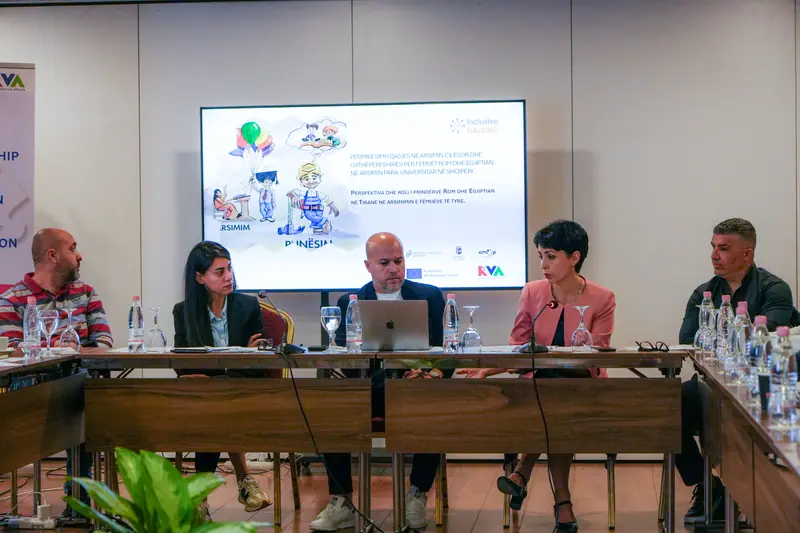
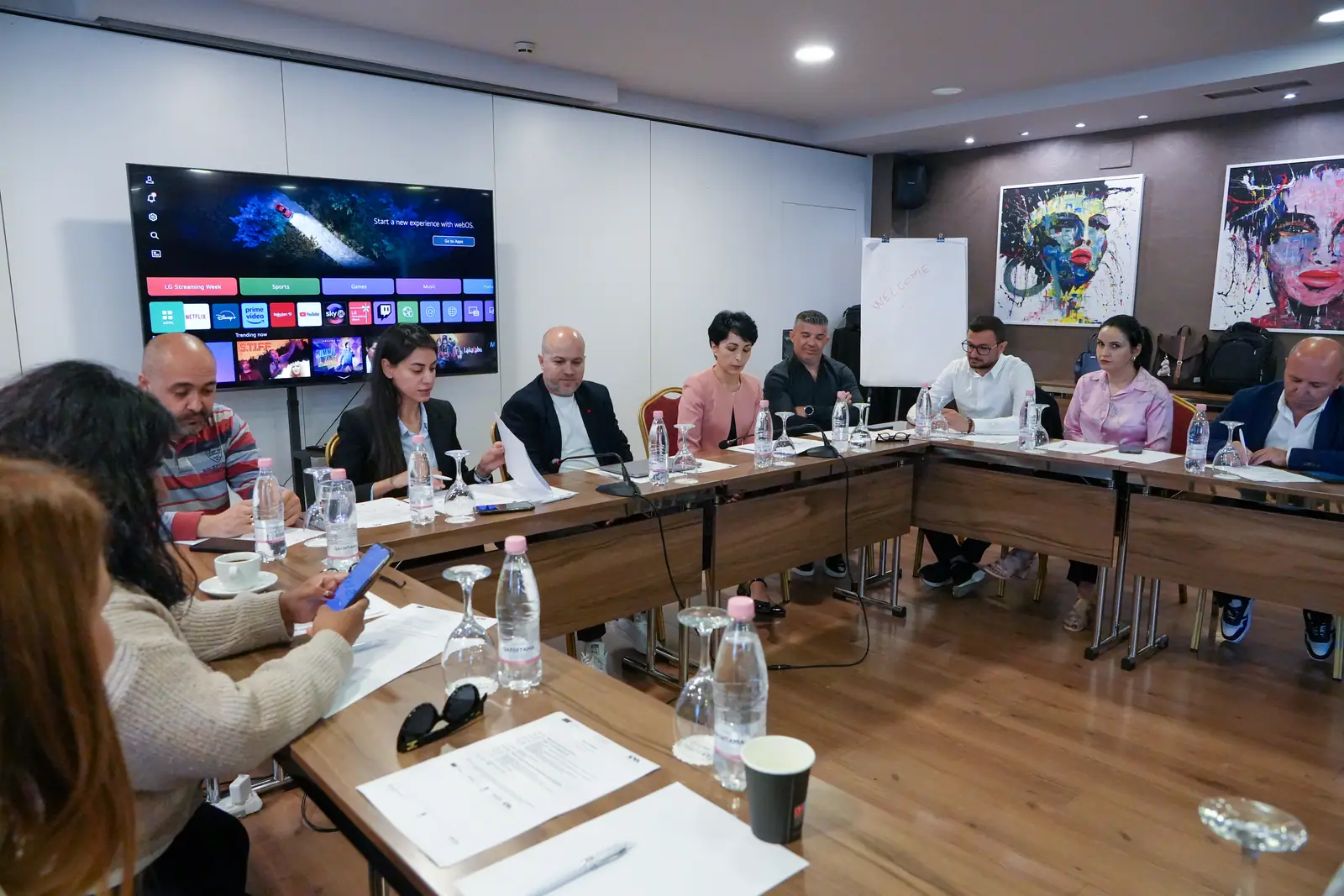
A presentation at the conference, May 2025
Research from this project
The Role of Roma and Egyptian Parents in Their Children’s Education in Tirana
The policy paper written from the project’s 50 parent interviews.
Read the policy paperDelivered with the support of