6 min read
Digital Inclusion Must Leave No One Behind: Roma Versitas Albania Calls for Equal Access to Public Services
As Albania continues its digital transformation, Roma Versitas Albania highlights the importance of ensuring that Roma and Egyptian communities have the skills, resources and support needed to access essential public services.
Contents
- When Digital Progress Creates New Barriers
- Building on RVA’s Experience in Education and Digital Empowerment
- Six Priorities for Inclusive Digital Public Services
- From Digital Access to Employment and Leadership
- A Call for Institutional Cooperation
- Digital Inclusion Is a Matter of Equal Opportunity
- Further reading
Tirana, 11 November 2026
Albania has made significant progress in digitalising public administration, transforming how citizens access public services, information and institutional support. However, digital transformation can only be considered successful when its benefits are accessible to everyone, including communities that continue to experience social and economic exclusion.
Ahead of the National Roundtable on Digital Inclusion, organised by the National Agency for Information Society (AKSHI) and scheduled for 19 November 2026 in Tirana, Roma Versitas Albania (RVA) is highlighting the challenges faced by Roma and Egyptian communities in accessing digital public services and presenting practical recommendations for a more inclusive digital future.
For RVA, digital inclusion is closely connected to its longstanding mission of advancing education, employment, equal opportunities and meaningful participation for Roma communities in Albania.
When Digital Progress Creates New Barriers
The expansion of online public services through the e-Albania platform represents an important development in the modernisation of public administration.
Nevertheless, the transition towards predominantly digital services also presents challenges for citizens who lack reliable internet access, appropriate technological equipment, digital literacy or the necessary support to navigate online procedures.
These barriers can be particularly significant for Roma and Egyptian families experiencing socioeconomic disadvantage.
The OECD’s Western Balkans Competitiveness Outlook 2024 identifies digital exclusion as a concern in Albania, particularly for vulnerable populations, including Roma and Egyptian communities.
More recently, the Council of Europe’s European Commission against Racism and Intolerance (ECRI), in its 2026 findings on Albania, highlighted continuing difficulties faced by Roma and Egyptians in accessing the e-Albania digital public services platform.
Such barriers can affect access to civil documentation, social protection, education, healthcare and employment-related services.
When accessing an essential public service requires digital knowledge or equipment that a citizen does not possess, the availability of an online platform alone cannot guarantee equal access.
Digitalisation should simplify access to rights, not create additional obstacles to exercising them.
Building on RVA’s Experience in Education and Digital Empowerment
Since its establishment in 2016, Roma Versitas Albania has supported the academic and professional advancement of Roma students through educational assistance, mentoring, capacity building and employment-oriented initiatives.
The organisation’s experience demonstrates the importance of combining educational opportunities with practical resources and individualised support.
During the COVID-19 pandemic, RVA implemented emergency educational support activities that provided tablets, internet connectivity and educational assistance to Roma and Egyptian children and students, helping them continue learning when schools moved online.
This experience reinforced an important principle: access to digital education requires more than the availability of online learning platforms. Students must also have the necessary equipment, connectivity, guidance and skills to participate effectively.
Digital competencies have also been incorporated into RVA’s secondary and tertiary education support initiatives, including the SEC-ALB and TER-ALB projects implemented under the EU Regional Action on Roma Education (RARE), Phase II.
The digital skills component of these initiatives addresses practical competencies such as computer literacy, document preparation, online communication, cybersecurity, information management and digital job applications.
These competencies are essential not only for educational achievement and employability but also for independent access to public services.
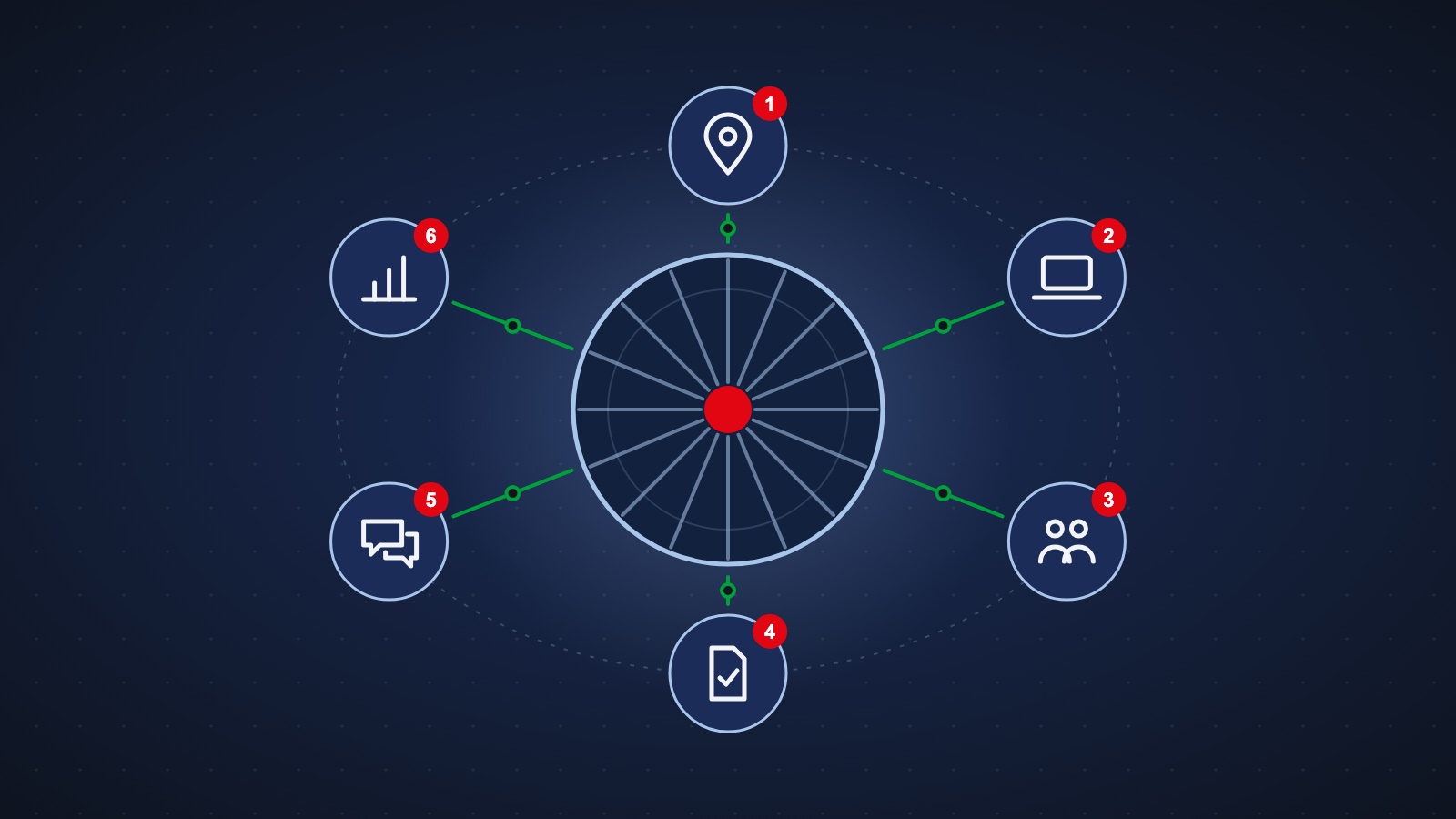
Six Priorities for Inclusive Digital Public Services
Drawing on its educational and community-based experience, Roma Versitas Albania recommends that Albania’s digital inclusion efforts prioritise the following actions:
1. Accessible and free assistance for digital public services. Establish community-based support points in municipalities and areas with significant Roma and Egyptian populations, where citizens can receive practical assistance using e-Albania and other online public services without unnecessary costs.
2. Targeted digital literacy programmes. Develop practical training opportunities for Roma and Egyptian young people, parents, women and other community members, covering digital public services, online applications, personal data protection and safe internet use.
3. Roma youth as digital inclusion facilitators. Train and engage Roma university students, graduates and young professionals as community digital mediators, creating opportunities for professional development while supporting families and individuals who experience difficulties accessing online services.
4. Simplified procedures and accessible information. Improve the clarity of digital platforms and administrative procedures through plain-language instructions, visual guidance and multilingual information, including Romani-language resources where appropriate. Citizens who cannot independently complete digital procedures should have access to supported or alternative service channels.
5. Meaningful community participation. Involve Roma-led civil society organisations, Roma professionals and community representatives in designing, testing and evaluating digital public services. Their direct participation can help identify practical barriers that might otherwise remain overlooked.
6. Monitoring and accountability. Establish measurable indicators to assess whether digital public services are accessible to disadvantaged communities, including the identification of recurring obstacles, while ensuring the responsible protection of personal data and voluntary participation in any community-specific data collection.
These measures should form part of a coordinated approach involving public institutions, local authorities, civil society organisations and community representatives.
From Digital Access to Employment and Leadership
Digital inclusion should also be recognised as an opportunity for educational advancement, professional development and community participation.
For young Roma people, digital skills increasingly influence their ability to access educational opportunities, prepare professional applications, pursue employment and engage with public institutions.
RVA believes that investing in the digital competencies of Roma students and graduates can produce benefits beyond individual participation in online services.
A potential community digital mediation model, for example, could create a meaningful connection between digital inclusion and employment. Roma young professionals could contribute their knowledge to local communities while gaining practical experience, strengthening leadership capacities and building pathways into the labour market.
Such an approach would recognise Roma young people not merely as beneficiaries of public interventions, but as professionals and active contributors to their design and implementation.
A Call for Institutional Cooperation
Roma Versitas Albania welcomes initiatives that bring public institutions, civil society organisations and community representatives together to discuss more inclusive digital services.
Although previously scheduled regional project commitments prevent RVA’s team from participating in the roundtable in person, the organisation considers the discussion an important opportunity to advance practical solutions to digital exclusion.
RVA expresses its openness to exploring cooperation with AKSHI and other relevant institutions, including the potential development of a pilot initiative focused on digital literacy and community-based assistance for Roma and Egyptian families.
Such an initiative could combine practical digital training, support for accessing public services and the engagement of Roma university students and young professionals as community facilitators.
Effective cooperation should be guided by the needs of the communities concerned, clearly defined institutional responsibilities and measurable outcomes.
Digital Inclusion Is a Matter of Equal Opportunity
As Albania advances its digital transformation, the central question should not only be how many public services are available online, but also who can access them independently and effectively.
For Roma and Egyptian communities, overcoming the digital divide requires coordinated investments in education, connectivity, skills development, accessible services and community participation.
Roma Versitas Albania remains committed to contributing its experience in education, employment and community empowerment to initiatives that promote equal opportunities and meaningful social inclusion.
A truly inclusive digital society is one in which technological progress strengthens access to rights, expands opportunities and ensures that no community is left behind.
Roma Versitas Albania (RVA) is a Roma-led civil society organisation established in 2016, working to advance education, employment, leadership and social inclusion for Roma and Egyptian communities in Albania.